

 русский
Bathroom hardware is moving beyond simple water control. As residential projects, hotels, apartments, and commercial buildings adopt different bathroom layouts, manufacturers are paying closer attention to the structure, installation format, and operating functions of water fixtures. The Shower Faucet remains an important part of this product category because it connects water supply with temperature and flow control.
Internal Structure Controls Water Flow
The basic function of a Shower Faucet is to regulate the flow of hot and cold water before it reaches the shower outlet. Inside the body, a valve mechanism controls how water enters and mixes within the system.
Different valve structures create different operating characteristics. Ceramic cartridge systems are widely used in modern faucet designs because the cartridge provides a compact way to regulate water flow and temperature through handle movement.
Thermostatic structures take another approach. They use a temperature-control mechanism to manage the relationship between hot and cold water. This type of design can be integrated into shower systems that require more controlled temperature adjustment.
For manufacturers, selecting the internal mechanism is closely connected with the intended product configuration.
Material Choices Shape Product Construction
Brass remains a familiar material for many shower faucet bodies because it can be machined into complex internal passages and threaded connection areas. Stainless steel and other metal options are also used in different product categories.
Material selection affects more than the outer appearance. It can influence machining methods, casting processes, wall thickness, component weight, and the way internal channels are formed.
A Shower Faucet designed for project supply may also require a different production approach from a decorative bathroom fixture. Manufacturers need to consider the relationship between material, manufacturing process, surface treatment, and product geometry.
Concealed And Exposed Designs Serve Different Layouts
Installation format has become an important design distinction. Exposed shower faucets place the main valve body outside the wall, making the product visually accessible after installation.
Concealed systems position part of the valve structure inside the wall. Only the control panel, handles, or other operating elements remain visible.
These two formats create different requirements for product development. Exposed models need to integrate the body, connections, and controls into a compact visible assembly. Concealed models require closer coordination between the internal valve body and the external control components.
This distinction allows manufacturers to develop a wider range of Shower Faucet configurations for different bathroom projects.
Handle Design Is More Than Appearance
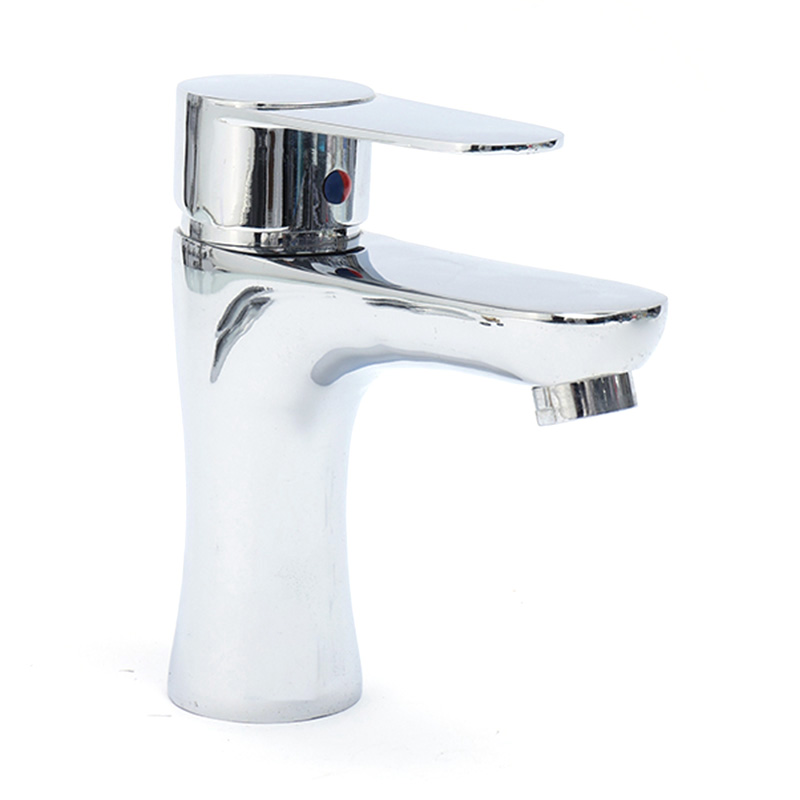
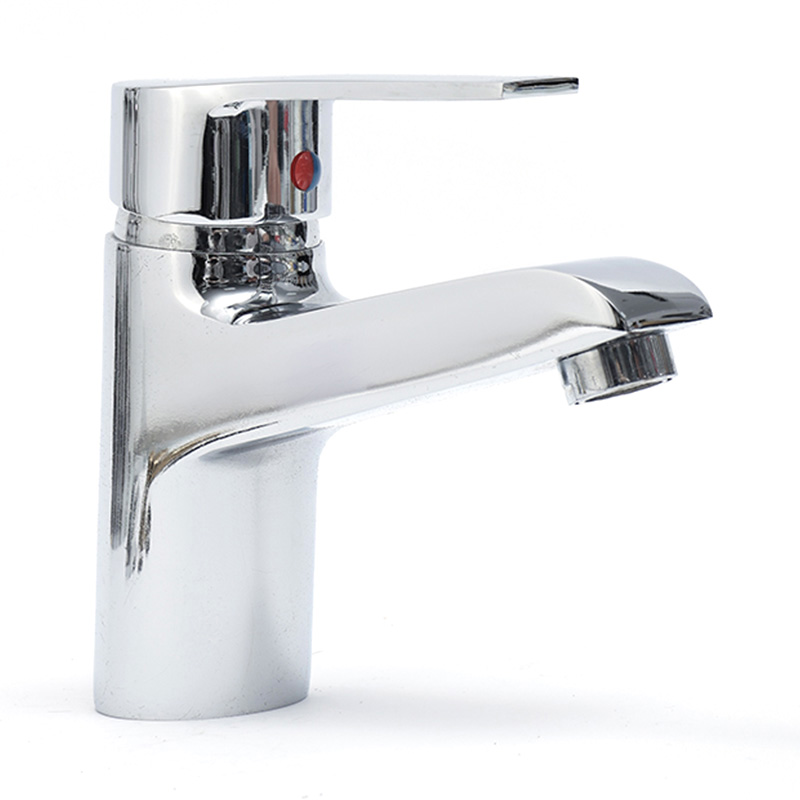
Handles may look like a small part of a faucet, but their geometry affects how users interact with the valve. Single-handle designs combine flow and temperature adjustment into one control.
Dual-handle structures separate hot and cold water control. Other configurations may use dedicated controls for different outlets within a shower system.
Knob shape, lever length, rotation angle, surface texture, and installation position all contribute to the operating experience. These details also give manufacturers room to create product families around different design languages.
For wholesalers and project suppliers, handle configuration can therefore become one of the practical factors when comparing different faucet models.
Surface Design Supports Product Differentiation
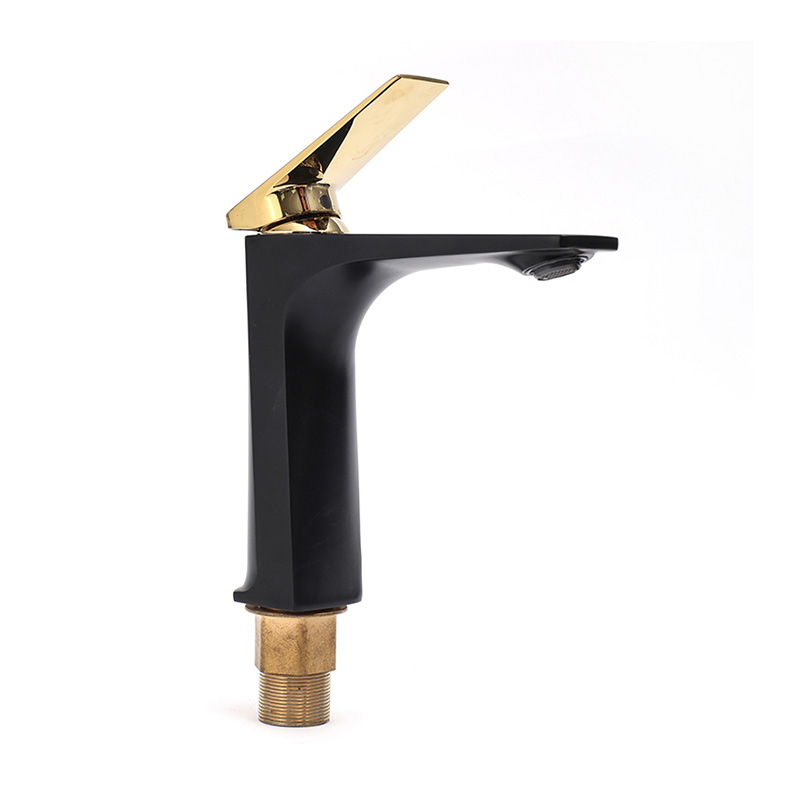
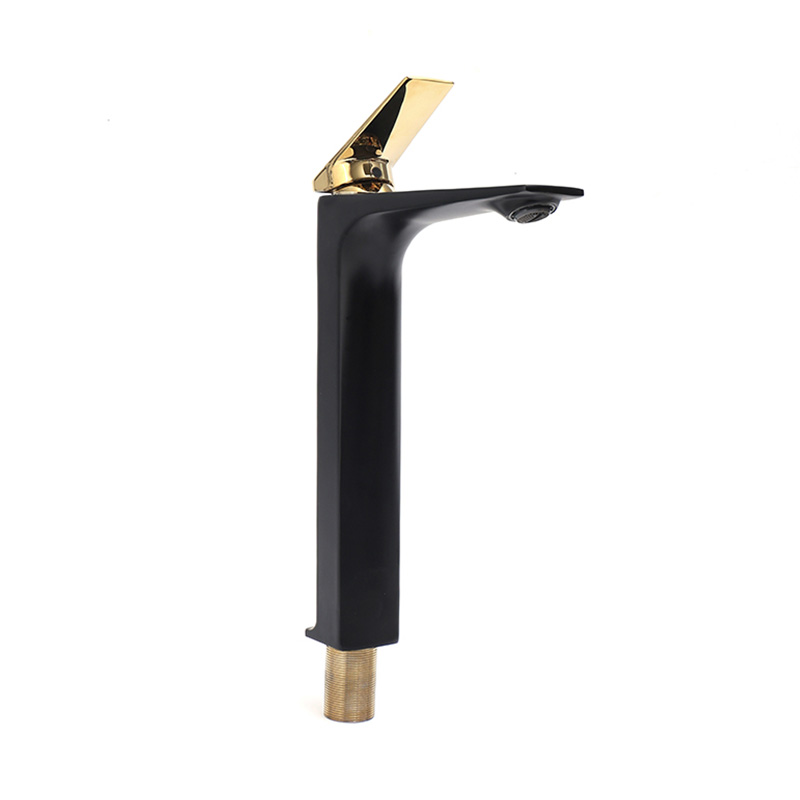
Exterior finishes are another area receiving attention from faucet manufacturers. Chrome remains familiar, while matte, brushed, and darker finishes are used to create different visual effects.
Surface treatment also needs to match the underlying material and manufacturing process. Before finishing, components may pass through machining, polishing, cleaning, and preparation stages.
For a Shower Faucet, the visible surface is often the first feature noticed in a finished bathroom, but the production process behind that surface can involve several separate manufacturing steps.