

 русский
Core Parts That Make It Work
Every basin faucet contains a spout, handles or a lever, and internal valves. Water travels from the supply lines through the valves and out the spout. Some models use a single lever that mixes hot and cold water with one motion. Others feature separate handles for temperature control.
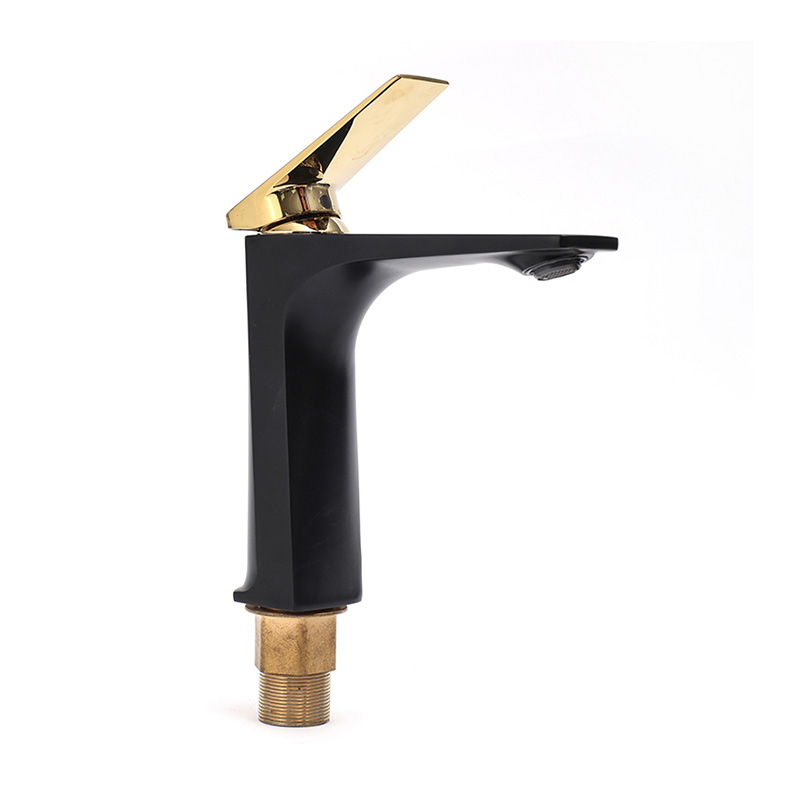
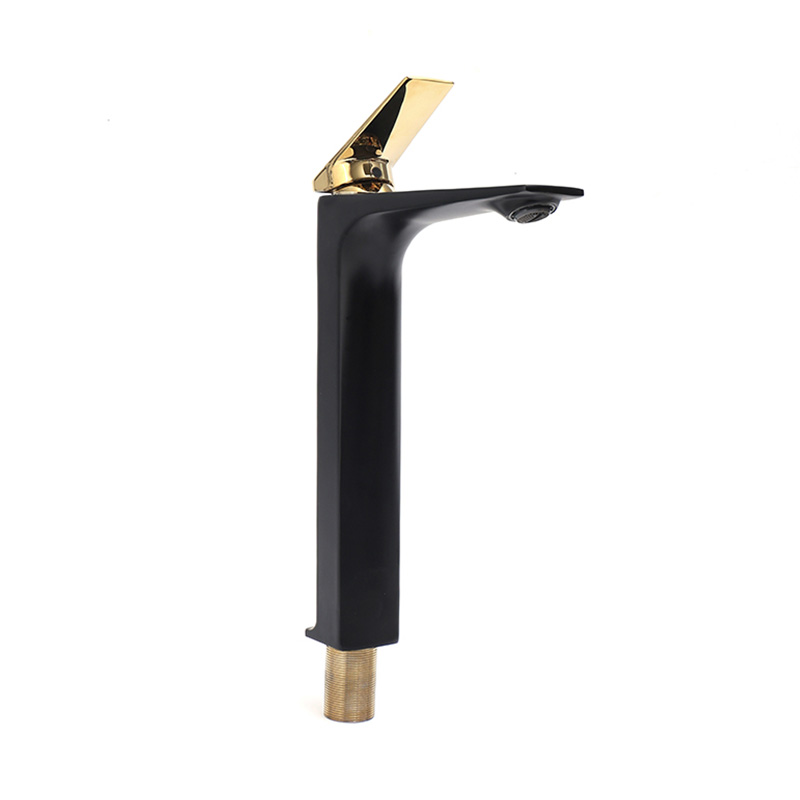
The spout may curve gently or rise in a higher arc. A higher spout gives more clearance for filling a cup or rinsing items. Aerators at the tip mix air into the stream, which softens the flow and reduces splash. These small elements shape the daily experience of using the fixture.
Popular Configurations for Different Sinks
Basin faucet layouts vary to match sink and counter arrangements. A single-hole model mounts through one opening and keeps the deck clean. Centerset versions place the spout and handles close together on a shared base. Widespread designs space the handles farther apart for a more open appearance.
Choosing the right layout depends on the number of holes in the sink or countertop. Matching the faucet to the existing openings avoids extra drilling or the need for covers. The visual balance between the faucet and the basin also matters. A taller spout can complement a deep bowl, while a shorter one suits a shallower sink.
Materials and Surface Finishes
Brass forms the body of many basin faucet units because it resists corrosion and holds shape under pressure. Stainless steel offers another durable option with a clean modern look. Some models combine materials, using metal for the core and other surfaces for decorative parts.
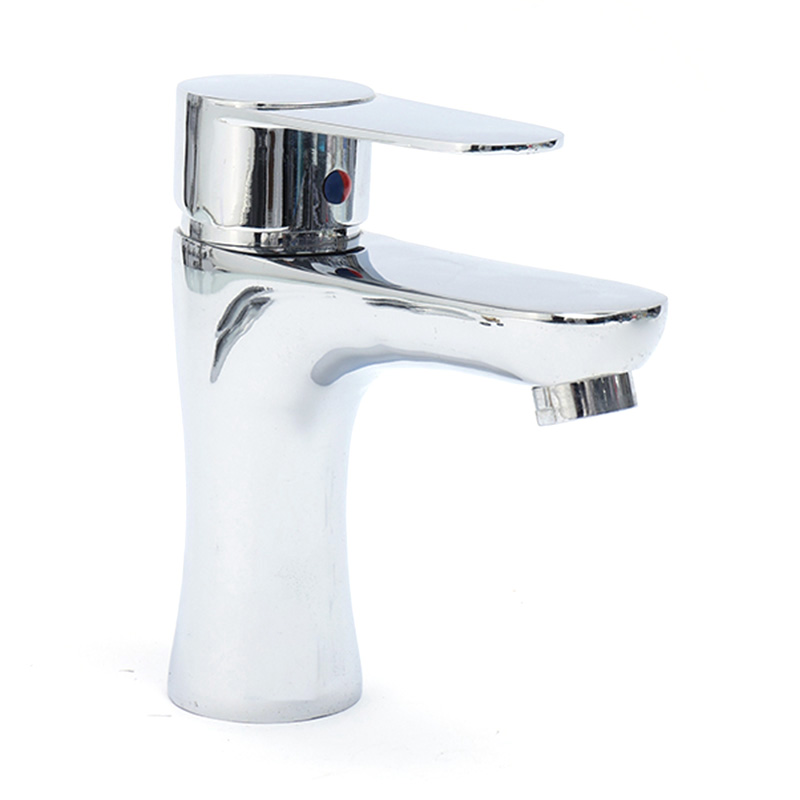
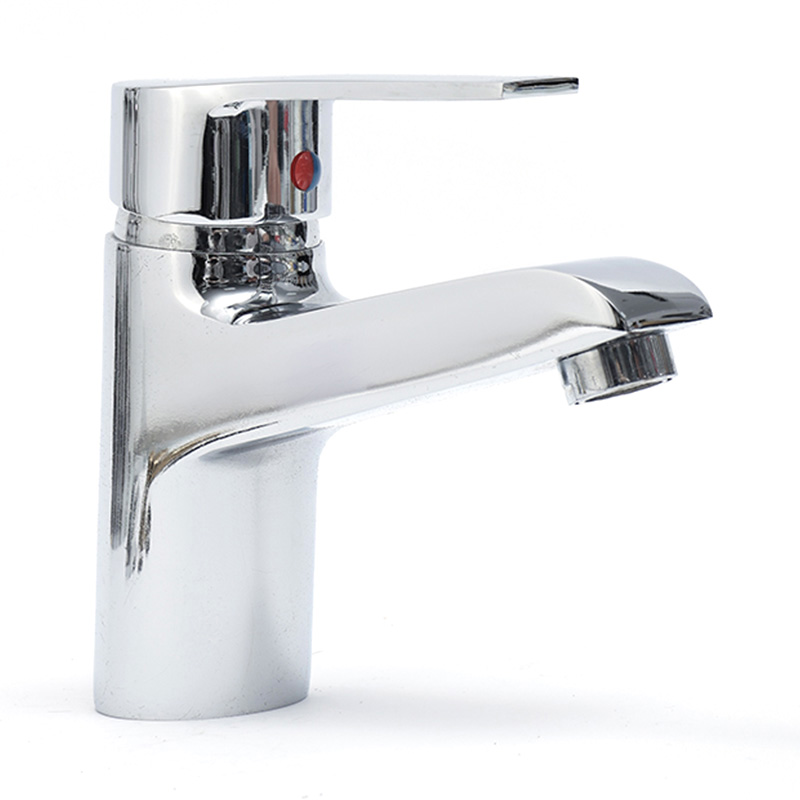
Finishes range from polished chrome that reflects light to brushed nickel that softens fingerprints. Matte black and soft gold tones appear in current collections as well. The finish should coordinate with other hardware in the room, such as towel bars or cabinet pulls, to create a cohesive feel.
Comfort and Practical Details
Handle design affects ease of use. Lever handles allow operation with an elbow or wrist when hands are wet or soapy. Cross handles offer a classic look and precise temperature adjustment. Some basin faucet models include a pull-out or swivel spout for added reach across a larger sink.
Water volume and temperature stay consistent when the internal cartridges work smoothly. Ceramic disc valves open and close with light pressure and hold their setting over repeated use. These quiet mechanical points contribute to reliable performance without drawing attention.
Matching Style to the Room
A basin faucet can lean traditional, transitional, or contemporary. Traditional versions often show curved spouts and detailed handles. Contemporary pieces favor clean lines and minimal ornament. Transitional designs blend elements from both approaches so they suit a variety of interiors.
Scale also plays a role. A compact faucet works well on a small powder-room vanity. A larger statement piece can anchor a double sink in a main bathroom. Designers often sample the finish against the countertop material and the surrounding wall color before final selection.
Selecting with Intention
When choosing a basin faucet, consider the sink type, the number of mounting holes, and the preferred handle style. Think about the finish that will age gracefully with the rest of the space. Test the feel of the handles if possible, since daily comfort matters as much as appearance.
A well-chosen basin faucet supports both the practical needs of the household and the visual character of the bathroom. Its presence is constant yet understated, delivering water when needed and contributing to the room’s overall calm and order. Through thoughtful design and solid construction, the fixture earns its place as a reliable everyday companion.