

 русский
Kitchen faucets are more than simple water outlets. Their structure, water control system, material selection, and installation style all influence how they fit into different kitchen projects. The Faucet Mixer & Tap Kitchen Faucet combines hot and cold water control within one fixture, offering a practical configuration for residential kitchens, apartment developments, hospitality projects, and commercial interiors.
Materials Shape Product Appearance and Application
Material selection is an important part of kitchen faucet manufacturing. Stainless steel and brass are two commonly used materials, each offering different characteristics for product design.
Stainless steel faucets are valued for their metallic appearance and resistance to corrosion. They can be produced with brushed, polished, or other surface finishes to match different kitchen styles.
Brass faucets offer flexibility in casting and machining processes. Their material characteristics allow manufacturers to create different body shapes, handle structures, and decorative details.
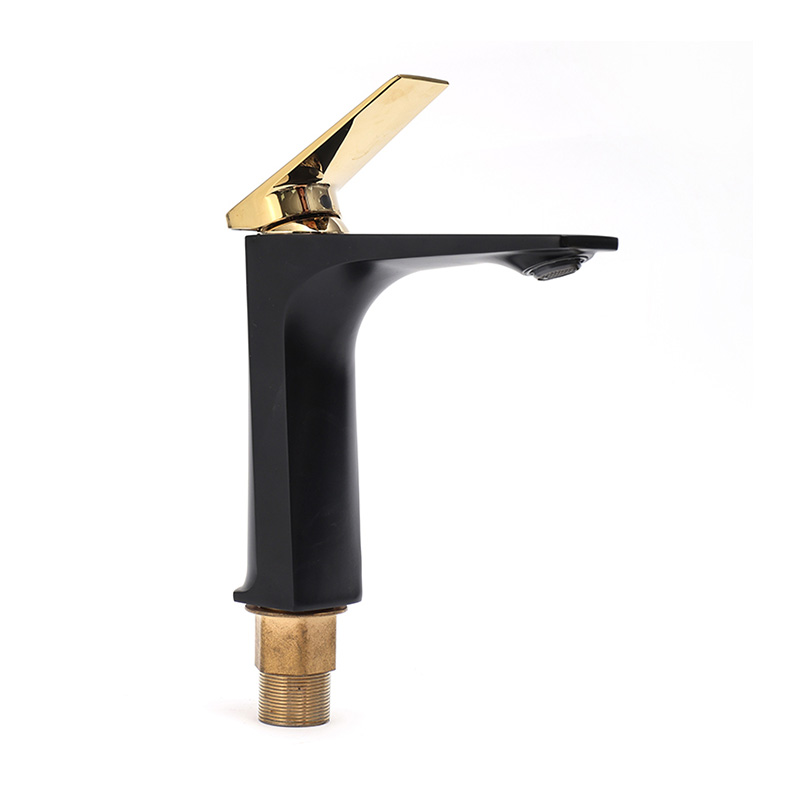
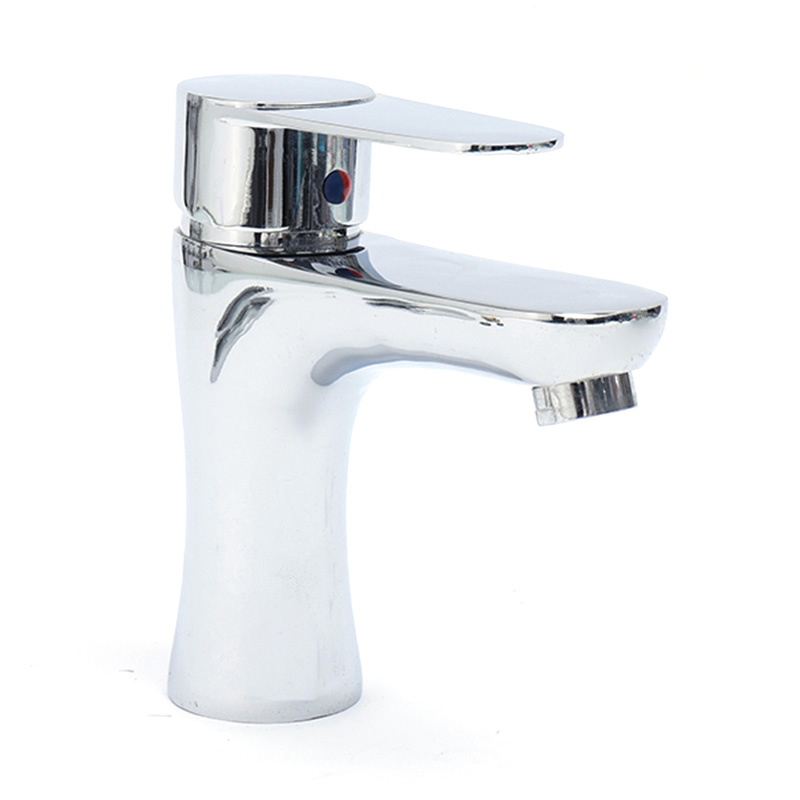
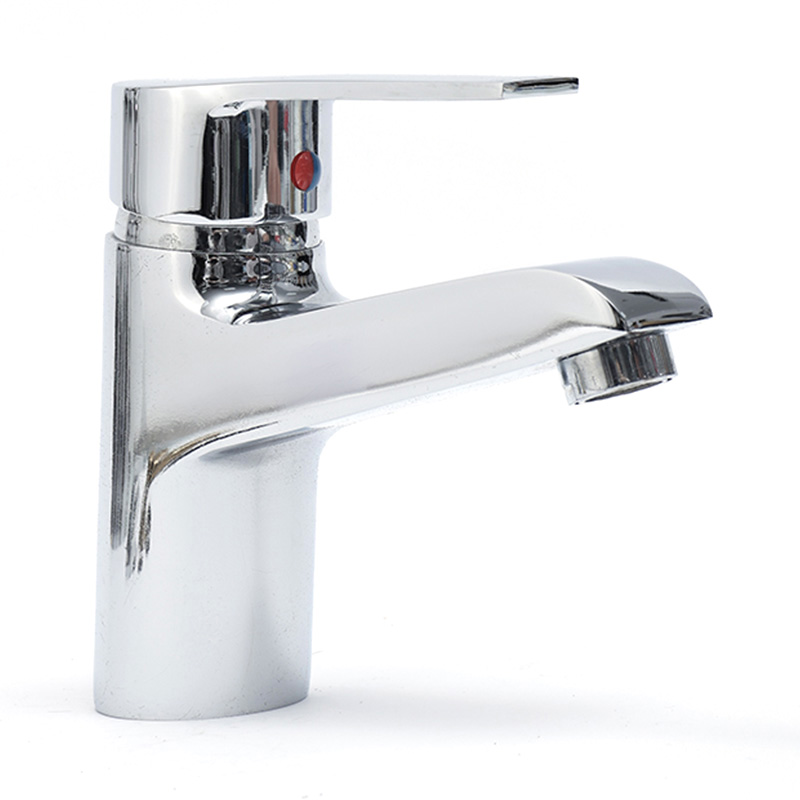
Surface finishing also influences the final appearance. Chrome creates a reflective metallic look, while matte black provides a more understated appearance. Gun grey, brushed nickel, and gold finishes offer additional options for coordinated kitchen collections.
For distributors, offering several material and finish combinations can help address different preferences across residential and commercial markets.
Spout Design and Installation Configurations
The spout is one of the most recognizable parts of a kitchen faucet. Its height, reach, shape, and movement determine how the fixture fits into the sink area.
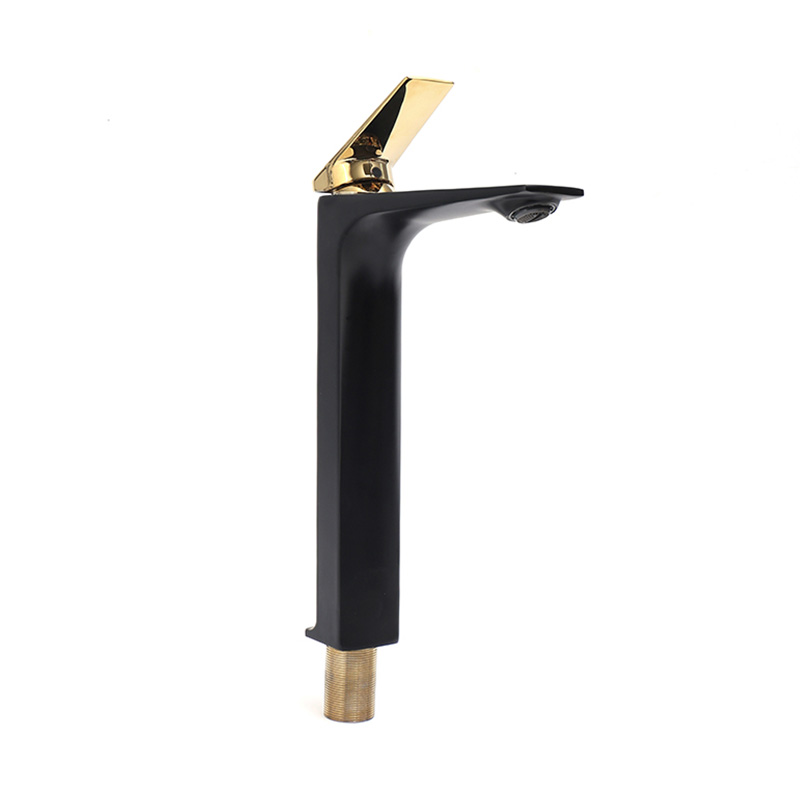
High-arc spouts provide additional vertical clearance for filling containers and handling larger kitchen items. Low-profile designs create a more compact appearance and may suit kitchens with limited overhead space.
A 360-degree swivel spout allows the water outlet to move across a wider sink area. This configuration is useful for double-bowl sinks and kitchen layouts where users need to direct water toward different positions.
The Faucet Mixer & Tap Kitchen Faucet is also available in different mounting configurations. Single-hole deck-mounted models offer a streamlined installation appearance, while other designs may use separate mounting points depending on the sink or countertop structure.
Manufacturing Processes Behind Kitchen Faucets
Kitchen faucet production involves several manufacturing stages, with processes varying according to the selected material and product structure.
For brass models, casting forms the initial faucet body. The unfinished component then undergoes machining to create internal water passages, connection points, and cartridge mounting areas.
Stainless steel models may use casting, forging, welding, or machining processes depending on the design. Different construction methods allow manufacturers to produce various body shapes and structural configurations.
After the main body is formed, surface finishing gives the product its intended color and texture. Components such as cartridges, handles, aerators, and connection fittings are then assembled according to the product design.
An integrated production process allows manufacturers to coordinate body construction, finishing, and component assembly across different faucet models.
Conclusion
The Faucet Mixer & Tap Kitchen Faucet brings together water temperature control, practical spout design, and flexible material options in one kitchen fixture. Its internal cartridge, body construction, surface finish, and installation configuration all contribute to its application across residential and commercial projects.
For overseas buyers, understanding these product characteristics provides a useful starting point for selecting suitable faucet models, developing private-label collections, and working with manufacturers serving the international kitchen and plumbing market.