

 русский
A sink faucet serves as a central point for water access in kitchens and bathrooms across many homes. This fixture delivers water on demand for washing, rinsing, and other routine activities. Its placement and function make it a familiar part of daily household operations. The sink faucet quietly supports countless interactions with water throughout the day.
Design Features of the Sink Faucet
Sink faucets come in various shapes with spouts that direct water flow into the basin. Handles or levers control the temperature and volume with simple movements. The base mounts securely to the sink or countertop for stability during use.
These elements combine to create a fixture that supports smooth operation in busy areas. Finishes on the surface help the faucet blend with surrounding fixtures and cabinetry. The overall form allows easy reach while providing clearance for pots, hands, or other items in the sink area. Many configurations also include aerators that influence the water stream pattern.
Installation Considerations for the Sink Faucet
Plumbers position a sink faucet to align with the sink dimensions and user height for comfortable access. Connections link the faucet to water supply lines beneath the counter. The setup includes secure mounting to prevent movement during regular operation.
This placement ensures the faucet functions reliably for tasks that require water flow. Different configurations suit single or multiple basin sinks commonly found in residential spaces. Proper alignment contributes to efficient water delivery during daily activities. The location near the sink edge helps maximize usable basin space.
Functionality in Kitchen Spaces
A sink faucet supports food preparation by providing water for rinsing produce and cleaning utensils. The flow helps with filling containers and washing hands between steps in meal routines. Many models feature adjustable streams that adapt to different needs at the basin.
Users operate the faucet multiple times throughout the day as part of cooking and cleanup. The fixture integrates into the workflow of the kitchen, allowing smooth transitions between tasks that involve water. Its position near the sink makes it a convenient hub for these activities. The steady water supply aids in managing various kitchen chores efficiently.
Role in Bathroom Routines
In bathrooms, a sink faucet delivers water for morning and evening hygiene practices. The design accommodates hand washing, face rinsing, and other personal care activities. Consistent water delivery supports the flow of daily grooming and cleaning tasks.
The faucet operates quietly and reliably within the smaller space of the vanity area. Its presence allows for efficient use of the sink during routines that involve water. Many households rely on this fixture as part of standard personal care sequences. The accessible height and reach make it practical for all family members.
Variety in Sink Faucet Styles
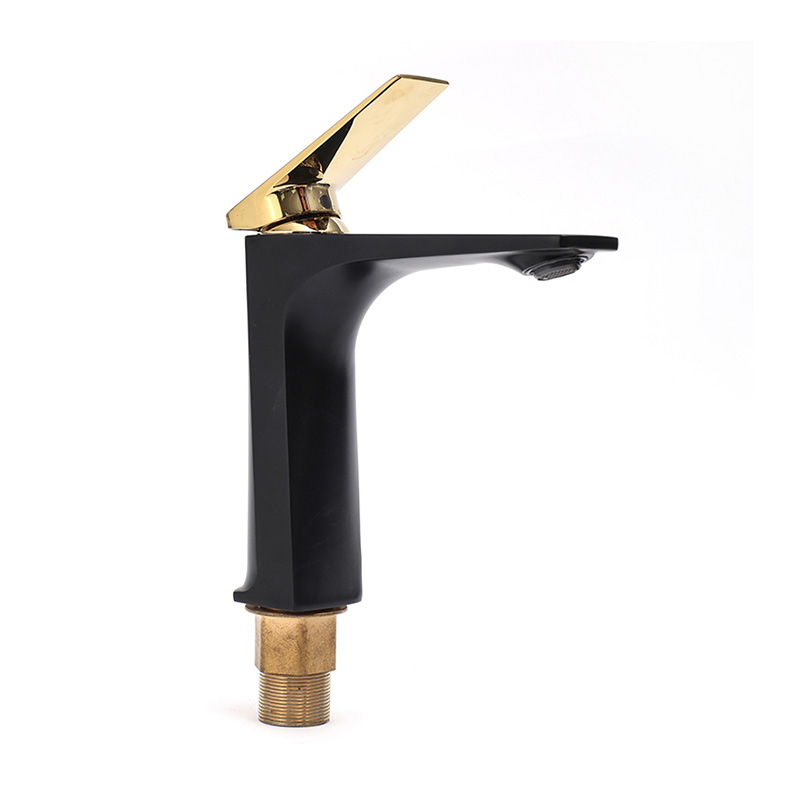
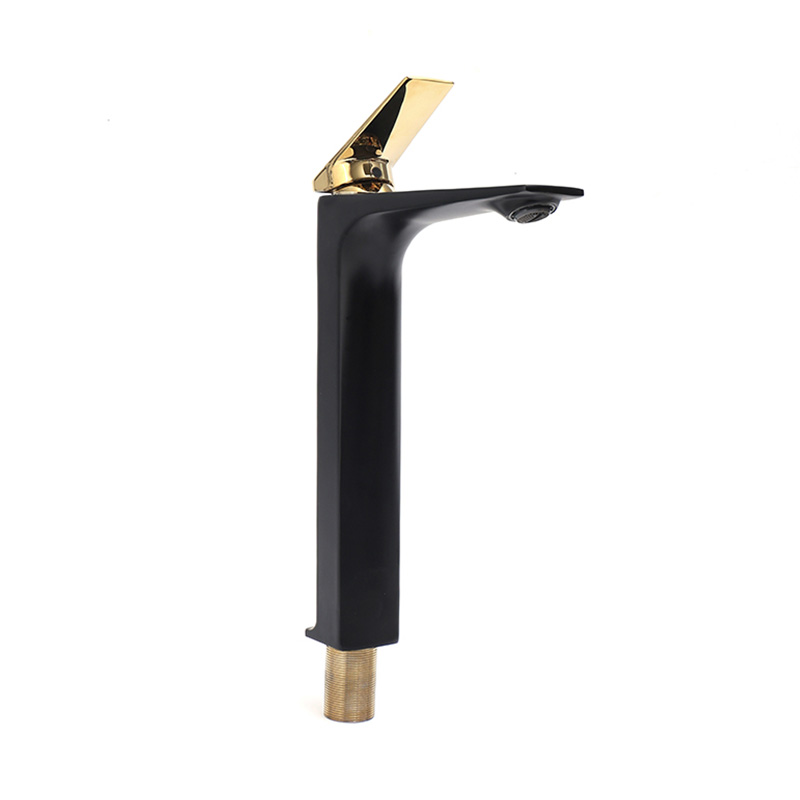
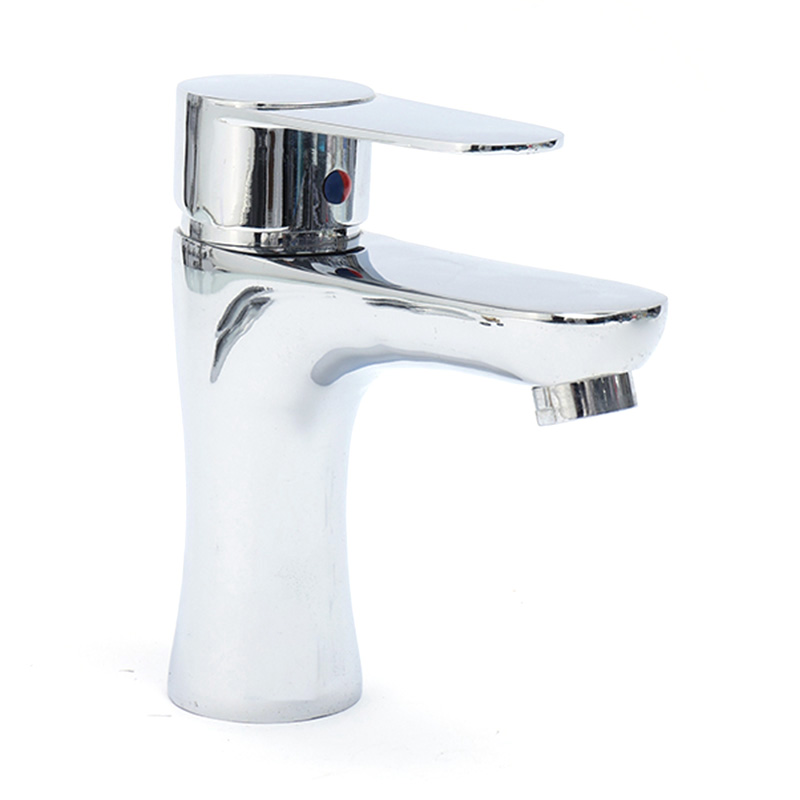
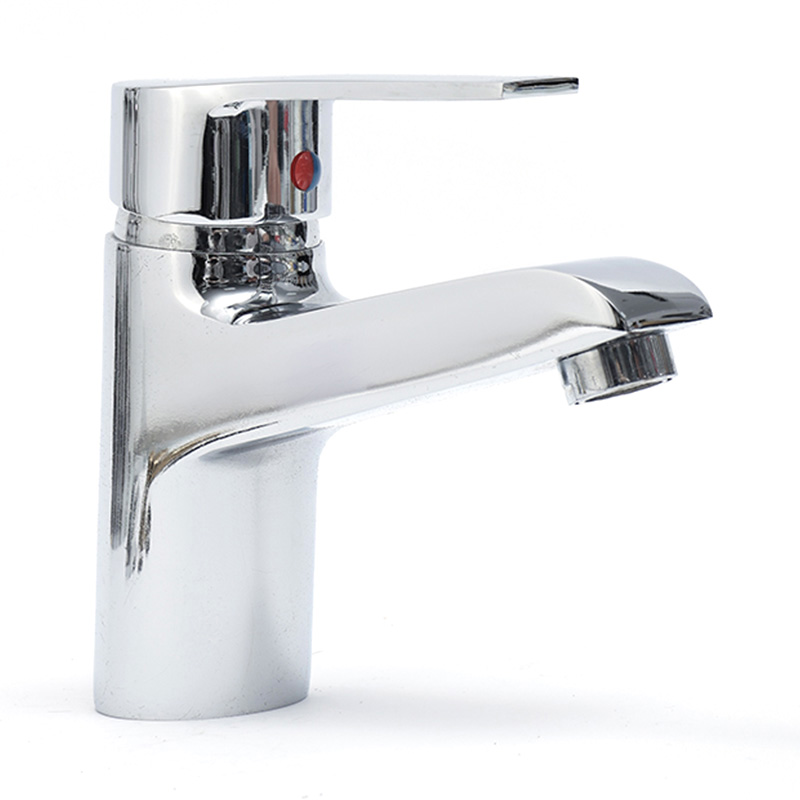
Sink faucets appear in finishes and forms that coordinate with different interior designs. Some feature taller spouts for added clearance while others maintain a lower profile. Handle arrangements range from single lever to dual controls according to preference.
This range allows the sink faucet to fit into various home aesthetics without drawing undue attention. The choices support both modern and more traditional kitchen and bathroom layouts. Users select styles that align with the overall look of their space. The variety helps match the fixture to surrounding elements like counter materials and cabinet colors.
The sink faucet remains a steady fixture in homes, supporting water-related tasks with quiet reliability. Its design and placement contribute to the smooth running of daily activities in kitchens and bathrooms.