

 русский
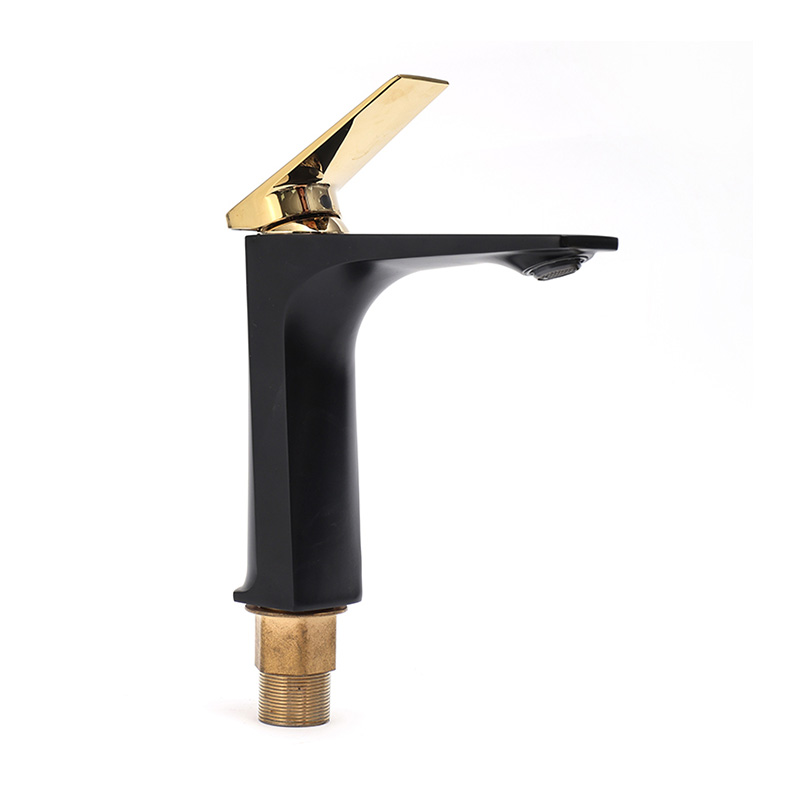
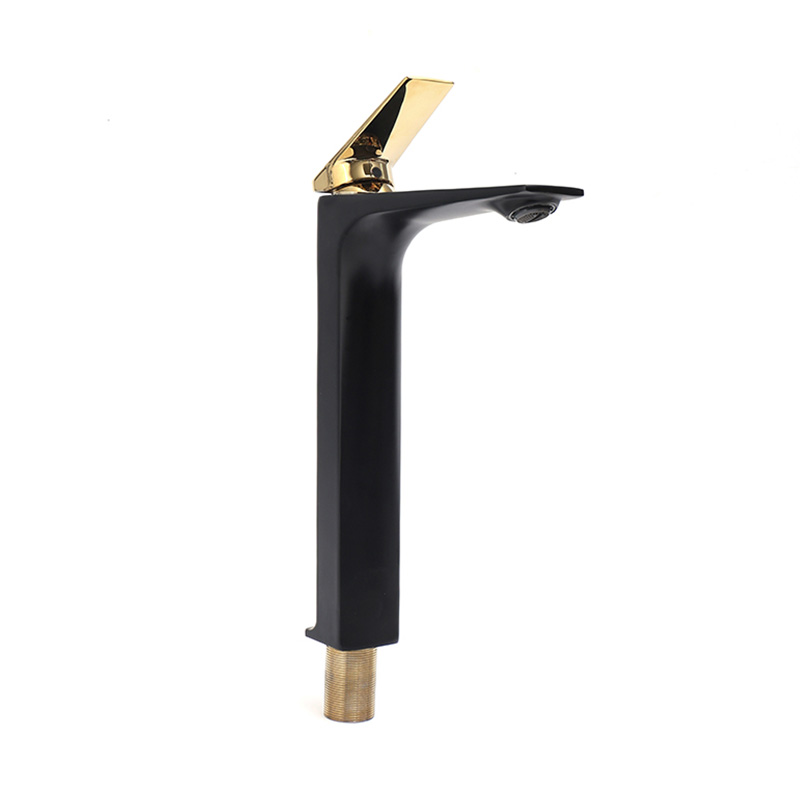
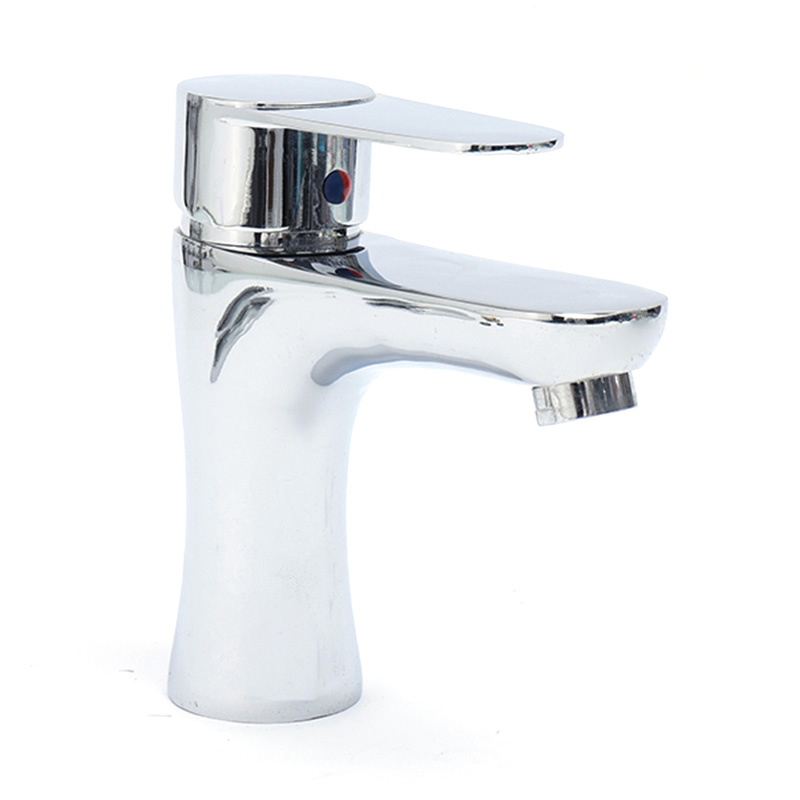
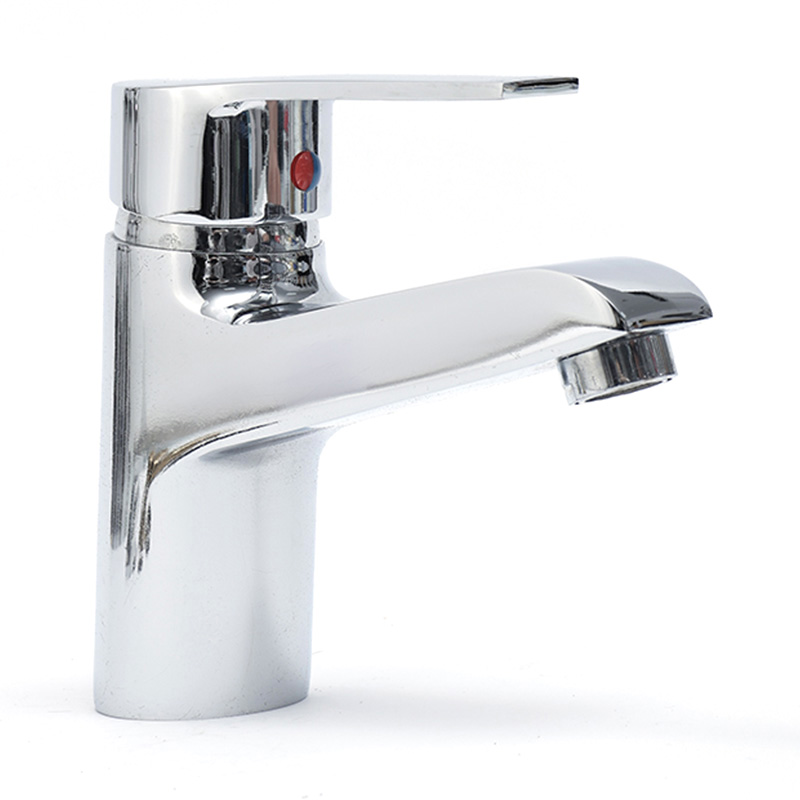
Zinc Faucet components appear regularly in discussions about plumbing fixtures for residential and commercial buildings. The material combines formability with structural stability, allowing manufacturers to produce shapes that meet both functional and visual requirements. This article reviews the practical characteristics that place the Zinc Faucet in steady use across construction and interior fitting work.
Material Properties and Casting Suitability
Zinc alloys used for faucets offer a balance of strength and ease of casting. The metal flows well into complex molds, capturing fine details in handles, spouts and body contours. Once solidified, the material holds its shape under normal operating pressures found in water supply systems.
This casting behavior supports consistent production of multi-piece assemblies. Internal channels for water flow can be formed with precision, while exterior surfaces remain ready for subsequent finishing steps. An Zinc Faucet body therefore emerges from the mold with the geometric accuracy needed for reliable sealing and smooth operation.
Surface Options and Visual Consistency
After casting, zinc surfaces accept a range of finishes. Chrome plating, brushed nickel and other coatings adhere evenly, creating uniform appearance across batches. The underlying metal provides a stable base that helps the finish remain intact during handling and installation.
Design teams value this consistency when specifying fixtures for large projects. Matching sets of Zinc Faucet units can maintain the same visual character from one unit to the next, simplifying coordination between bathroom, kitchen and utility areas.
Structural Role in Fixture Assemblies
A Zinc Faucet body serves as the central structure that houses valves, cartridges and spout connections. The material’s rigidity keeps these internal parts aligned under the mechanical stress of repeated opening and closing cycles. Threaded ports and mounting surfaces retain their form, supporting secure attachment to supply lines and countertops.
Weight remains moderate compared with some alternative metals. Installers can position and secure the fixture without excessive effort, while the finished assembly still provides the solid feel expected in daily use. This combination of manageable mass and adequate strength suits both new construction and renovation settings.
Compatibility with Common Valve Systems
Most Zinc Faucet designs accommodate standard ceramic cartridges or compression valves. The internal geometry can be machined or cast to accept these components with proper clearances and sealing surfaces. Once assembled, the fixture responds predictably to handle movement, delivering controlled flow and temperature mixing.
The material’s dimensional stability helps maintain these clearances over time. Temperature changes from hot and cold water do not produce significant distortion, so the valve continues to operate smoothly across typical household temperature ranges.
Application Across Building Types
Zinc Faucet units appear in single-family homes, multi-unit residential buildings and commercial spaces. In kitchens they handle frequent use for food preparation and cleaning. In bathrooms they support daily routines with reliable water delivery. Utility rooms and public facilities also incorporate the same component for hand-washing and service needs.
Project teams select the Zinc Faucet when the combination of cast detail, finish options and structural performance matches the overall specification. The material’s versatility allows the same base design to serve different aesthetic directions simply by changing surface treatment.