

 русский
In the diverse marketplace of bathroom and kitchen fixtures, the zinc faucet occupies a distinct and significant segment. Often serving as an entry point into style-driven home upgrades, zinc faucets present consumers with a clear set of trade-offs centered on material science. Understanding the core of what a zinc faucet is—from its composition and strengths to its inherent limitations—is essential for making an informed purchase that aligns with budget, aesthetic desires, and long-term expectations for performance.
What is the Core Material of a Zinc Faucet?
At its heart, a zinc faucet is defined by its primary construction material: zinc alloy. This is not pure zinc but a blend, commonly a combination of zinc, aluminum, and small amounts of magnesium and copper, known as Zamak. This specific alloy is favored in manufacturing for its outstanding casting properties, allowing it to be melted and injected into detailed molds under high pressure through a process called die-casting. This method enables the efficient, high-volume production of faucet bodies and handles with complex, intricate shapes that would be more costly to machine from solid metal. The zinc alloy provides the structural skeleton of the faucet, but its surface is almost always finished with a plating, such as chrome, nickel, or a colored PVD coating, which provides the visible aesthetic and a critical layer of protection against the elements.
What Are the Core Advantages of Choosing Zinc?
The primary advantages of the zinc faucet are rooted in economics and design flexibility. From a cost perspective, zinc alloy is materially less expensive than brass or stainless steel, and the die-casting process is highly efficient for mass production. This translates directly to a very accessible price point for consumers, making stylish and on-trend faucet designs available to a broad market. Data from industry analyses suggests that zinc-based fixtures can cost significantly less than their solid brass counterparts, sometimes representing a savings of a considerable percentage for visually similar products. The design freedom offered by die-casting is another major advantage. Manufacturers can quickly adapt to and produce faucets in the latest styles, finishes, and forms, from sleek modern levers to ornate traditional crosses, allowing consumers to achieve a high-end look without a correspondingly high-end investment. This combination makes the zinc faucet a dominant player in the value-oriented and fast-fashion segments of the home fixtures market.
What Are the Primary Limitations to Consider?
The limitations of the zinc faucet are intrinsically linked to the properties of its core material when exposed to a wet, mechanical environment. The many notable concern is long-term durability and corrosion resistance. While the surface plating offers outstanding initial protection, it is a thin layer. If this plating is compromised by a scratch, chip, or through gradual wear, the underlying zinc alloy is vulnerable to oxidation and corrosion, which can manifest as bubbling, peeling, or white powdery deposits. This can shorten the functional and aesthetic lifespan of the faucet. Furthermore, zinc alloy is not as mechanically robust as brass or stainless steel. Over-tightening during installation or repeated forceful use can potentially lead to cracking or breakage, particularly at thinner, more delicate sections of the casting. The material also tends to feel lighter in weight compared to a solid metal fixture, which some consumers associate with lower quality. These factors collectively mean that while a zinc faucet can be an outstanding short- to medium-term solution, it may not represent the same decades-long investment that higher-grade materials can offer, a key consideration for primary bathrooms or kitchens.
The zinc faucet represents a pragmatic intersection of affordability, style, and material science. Its core zinc alloy construction enables low-cost production and vast design possibilities, fulfilling a vital market need. However, this comes with compromises in long-term durability and corrosion resistance relative to premium materials. For the informed consumer, the choice ultimately hinges on balancing initial budget against expected fixture lifespan and usage intensity, making the zinc faucet a clear and rational option for specific applications where its core advantages align superbly with project goals.
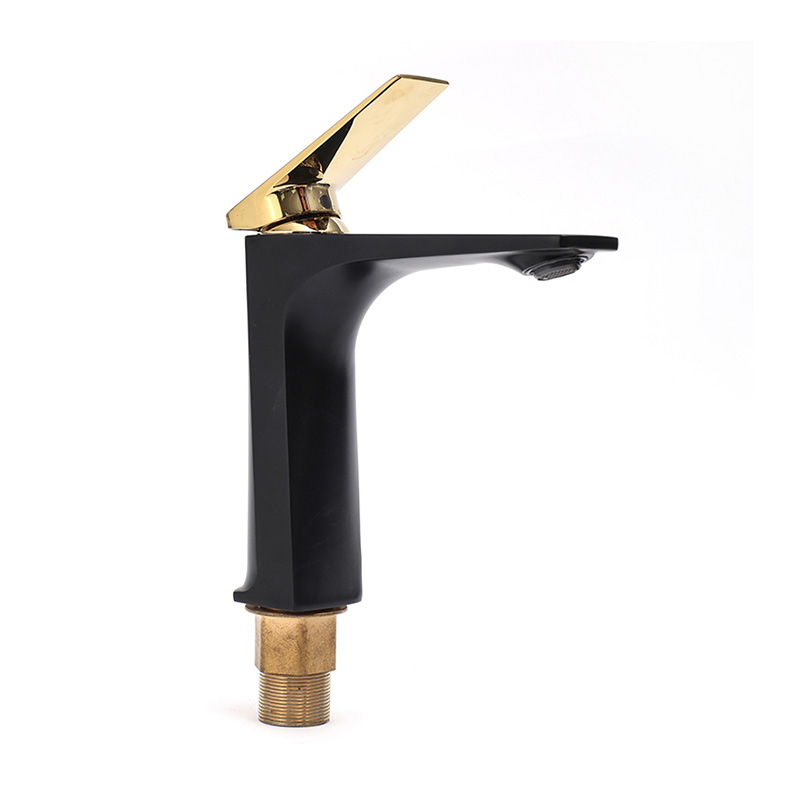
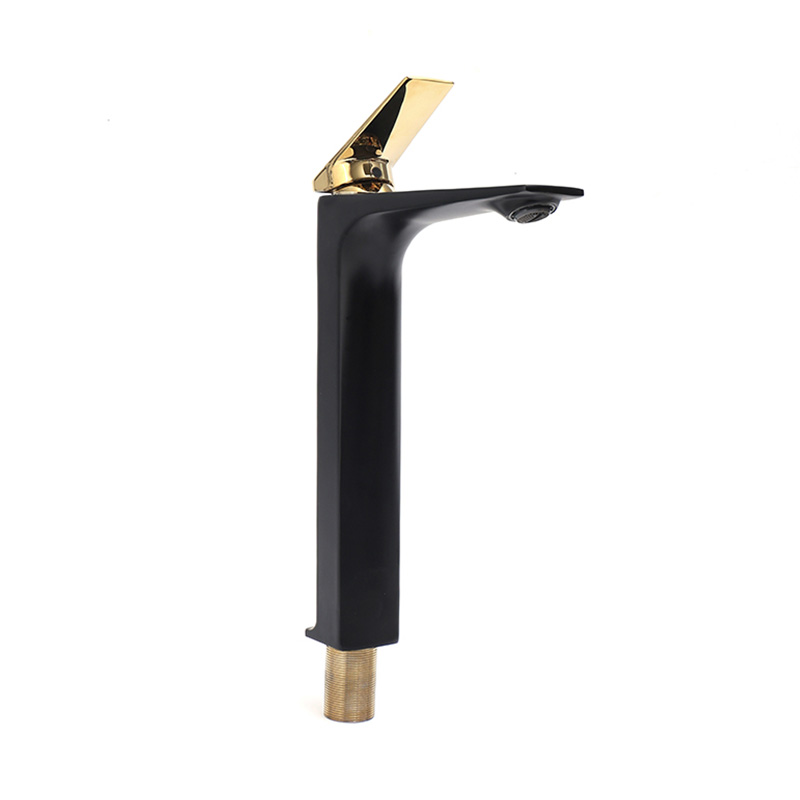
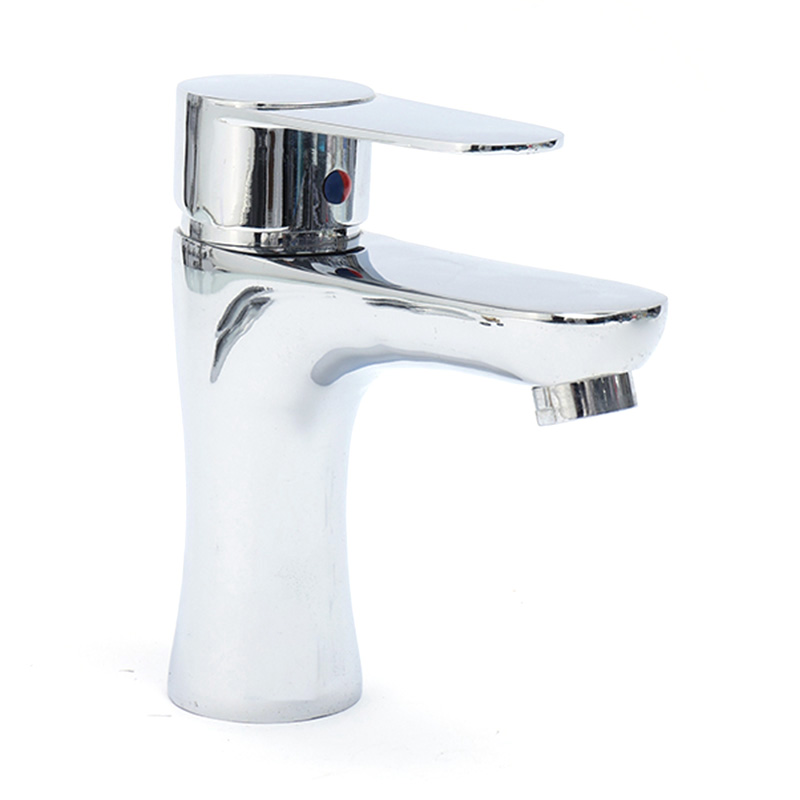
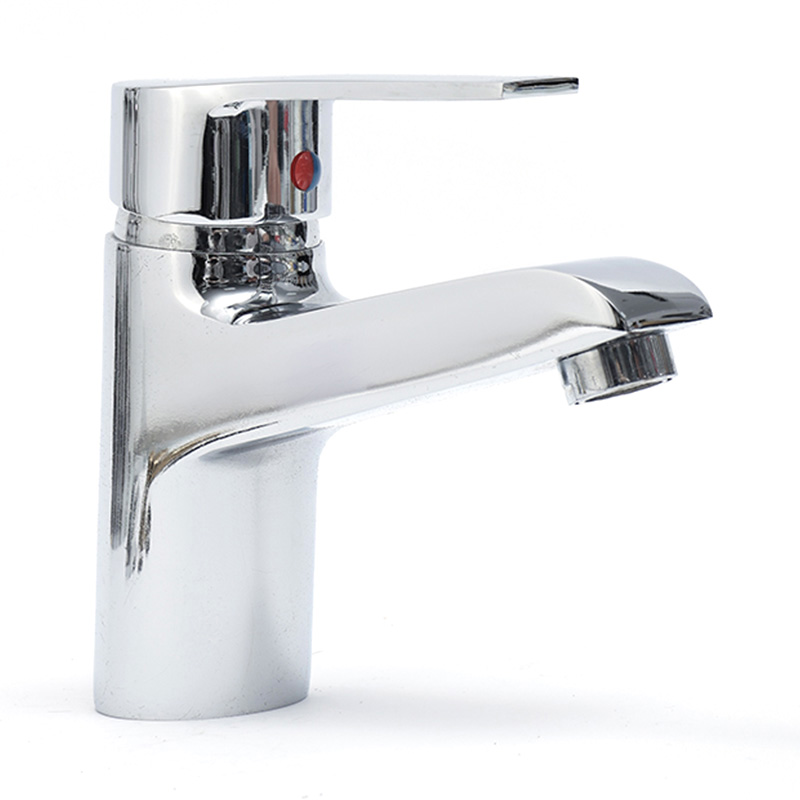
The New Basin Faucet with Zinc-alloy Handle from Taizhou Xiangtai Sanitary Ware Co., Ltd. combines robust construction with modern design for bathroom use. Its handle is made from solid zinc alloy, providing a substantial feel, outstanding durability, and resistance to corrosion. The faucet features a reliable ceramic disc cartridge for smooth, precise control of water flow and temperature, ensuring leak-free operation. Available in various finishes such as chrome, matt black, or brushed nickel, it offers both aesthetic appeal and easy maintenance. Designed for easy installation on standard bathroom sinks, this faucet delivers a dependable and stylish solution for daily use.