

 русский
Walk into any bathroom, and one of the first things you notice above the sink is the basin faucet. It is the fixture you use every morning to wash your face, brush your teeth, or fill a cup. But have you ever thought about how a basin faucet differs from a kitchen faucet or a tub filler? While all faucets deliver water, the basin faucet has its own design language.
The Basic Role of a Basin Faucet
A basin faucet is specifically designed for bathroom sinks (also called basins). Its job is simple: deliver clean water at a comfortable flow rate, mix hot and cold water to a desired temperature, and stop drips when turned off. Unlike kitchen faucets that often feature a pull-out spray head or a very high arc for filling pots, basin faucets focus on hand-washing, face-washing, and light cleaning tasks.
The typical flow rate of a basin faucet is lower than that of a kitchen faucet. This is intentional. Bathroom tasks require less water, and a moderate flow reduces splashing in a shallow sink.
How Does a Basin Faucet Control Water Flow and Temperature?
Most modern basin faucets use a mixing mechanism inside the faucet body. When you lift a single handle or turn two separate handles, you open valves that allow hot and cold water to combine. The further you lift or turn, the more water flows. The side-to-side movement (on a single-handle faucet) adjusts the hot-cold ratio.
Inside, a cartridge or ceramic disc valve does the actual mixing. Ceramic discs are common in many newer faucets because they move smoothly and resist wear. Two-handle basin faucets typically use compression valves or ceramic cartridges as well. The result is a steady stream at your chosen temperature.
One helpful feature found on many basin faucets is the aerator. This small screen screwed into the spout tip mixes air into the water stream. The aerator produces a whiter, softer stream that does not splash as much. It also reduces overall water volume without affecting the feeling of a full flow.
Why Do Homeowners Pay Attention to Basin Faucet Design?
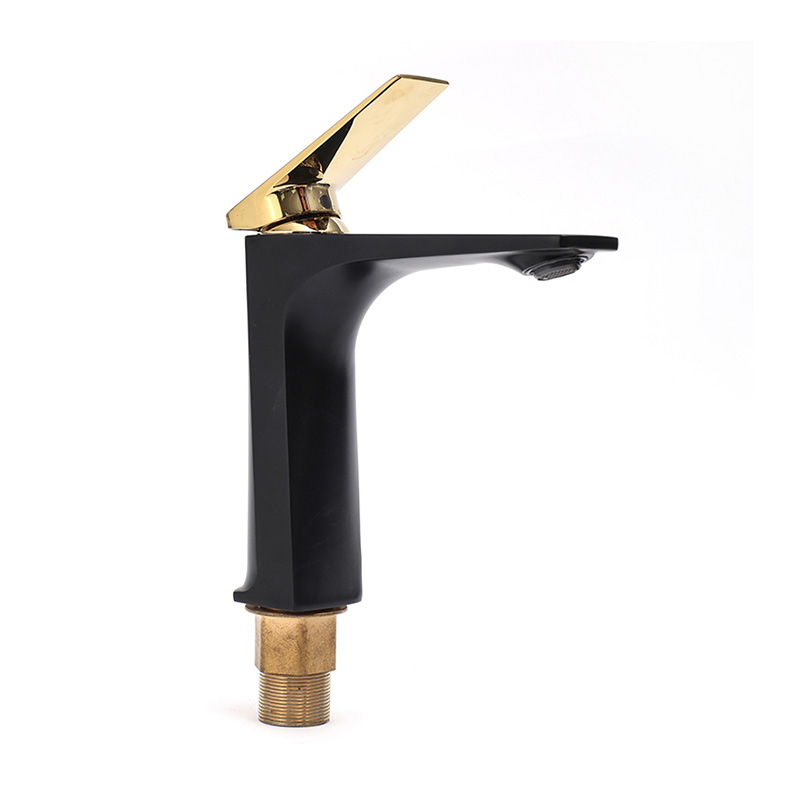
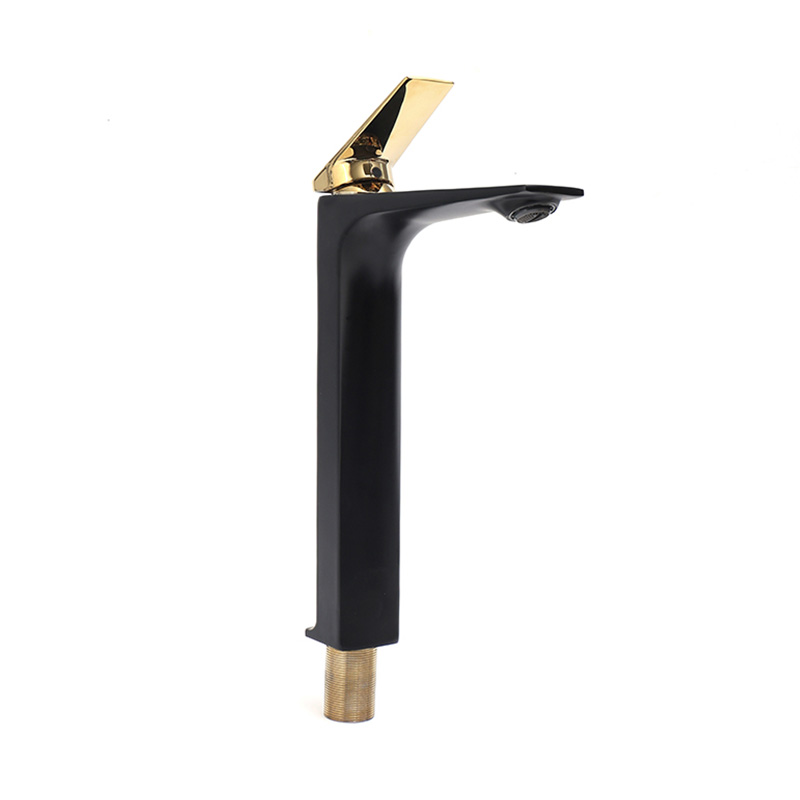
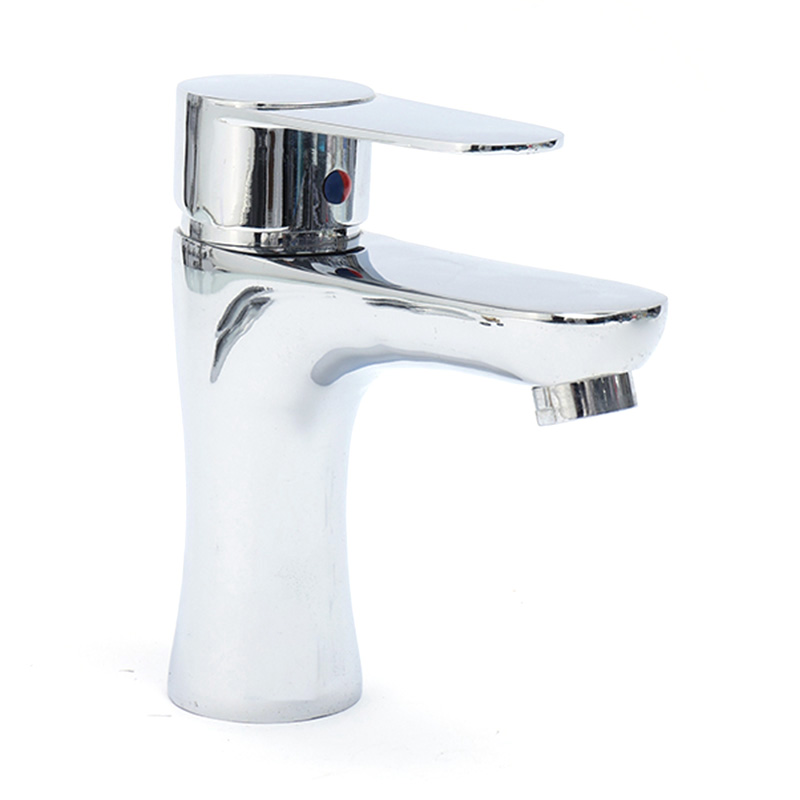
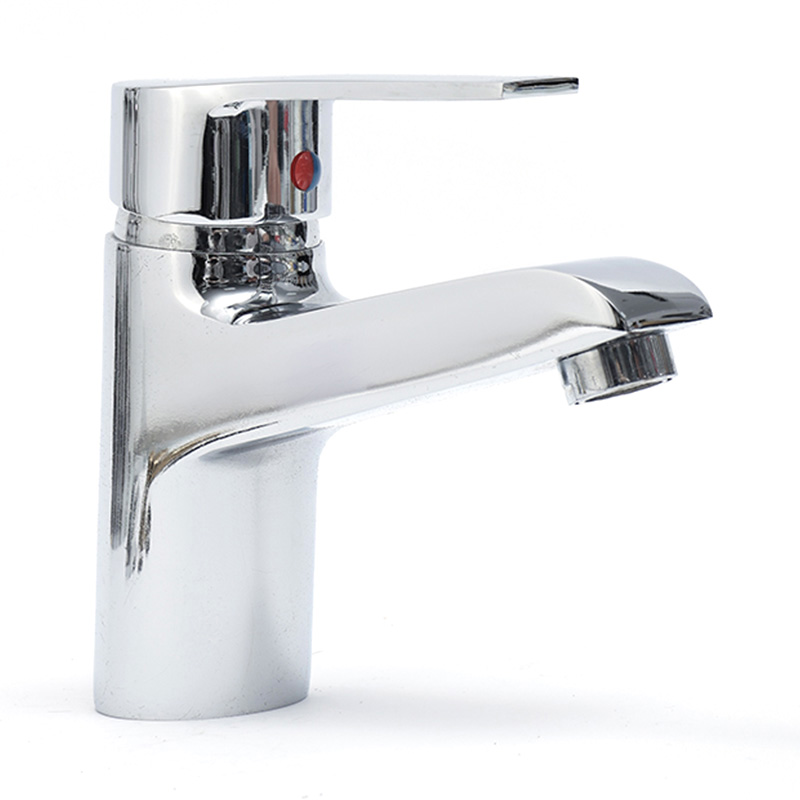
A basin faucet sits in plain sight. Its shape, finish, and handle style contribute to the bathroom’s look. For this reason, manufacturers offer a wide range of designs. Some popular styles include:
- Centerset faucets: These have a spout and two handles on a 4-inch base. They fit older or smaller sinks.
- Widespread faucets: The handles and spout are separate pieces, each mounted through its own hole. This style looks more spacious and works well on larger basins.
- Single-hole faucets: One handle and the spout occupy a single hole. These have a clean, modern appearance.
- Wall-mounted basin faucets: The faucet comes out of the wall above the sink instead of from the deck. This style saves counter space.
Finish choices include chrome, brushed nickel, matte black, oil-rubbed bronze, and stainless steel. Each finish has a different look and reacts differently to water spots and fingerprints.
How Does the Handle Design Affect Daily Use?
The handle is what you touch every time. Single-handle basin faucets allow temperature and flow control with one hand. This is convenient when your other hand is holding something. Single handles come as joysticks, levers, or knobs.
Two-handle basin faucets give separate controls for hot and cold. Some people prefer this because the temperature setting does not change accidentally when you only want to adjust flow. However, two handles require two hands to turn on unless you use one hand sequentially.
Another type is the touch or motion-sensing basin faucet. These use a sensor to start water flow when you place your hands near the spout. They are found in some public restrooms and increasingly in residential settings for a hands-free experience.