

 русский
The Basic Job of a Bathroom Faucet
A bathroom faucet controls the flow of water from the pipes to the basin. It mixes hot and cold water to a comfortable temperature and stops the flow when not needed. Unlike a kitchen faucet, which often has a high arc and a pull-out sprayer for washing dishes, a bathroom faucet focuses on handwashing and personal care tasks. The flow rate is generally lower to reduce splashing in a shallow bathroom sink.
Inside the faucet body, a valve does the mixing and shutting off. When you move the handle, you open this valve. Water flows through the spout and out into the sink. Close the handle, and the valve seals shut again.
How Does a Bathroom Faucet Control Temperature?
Most modern bathroom faucets use a mixing cartridge or ceramic disc valves. A single-handle faucet typically contains a cartridge that moves up and down for flow and side to side for temperature. Ceramic discs are popular because they slide smoothly and resist mineral buildup. Two-handle faucets have separate cartridges for hot and cold. Each handle controls its own valve, and water mixes inside the spout or faucet body.
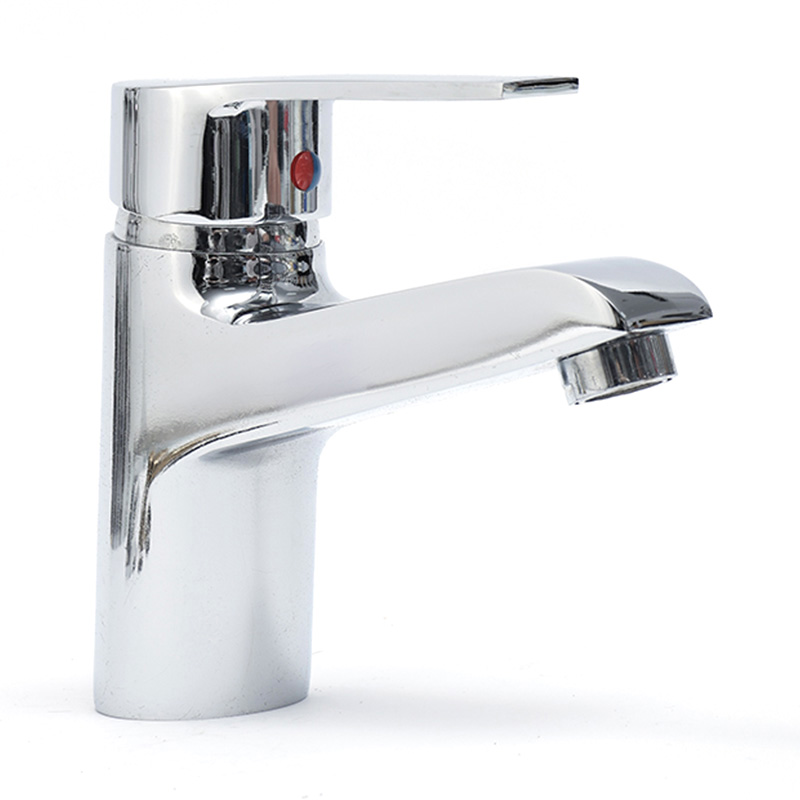
One helpful feature found on many bathroom faucets is the aerator. This small screen screws onto the end of the spout. It mixes air into the water stream, producing a softer, whiter flow that does not splash as much. The aerator also helps reduce water volume without changing the feeling of a full stream.
Different Mounting Styles for Different Sinks
Not all bathroom faucets fit all sinks. The mounting style depends on how many holes your sink or countertop has. Here are the common types:
- Centerset faucets: These fit sinks with three holes spaced 4 inches apart. The spout and two handles sit on a single base plate. This style is common in smaller bathrooms and older homes.
- Widespread faucets: These also use three holes, but the spacing is greater — typically 6 to 16 inches between handles. The spout and handles are separate pieces. Widespread faucets look more substantial and work well on larger vanities.
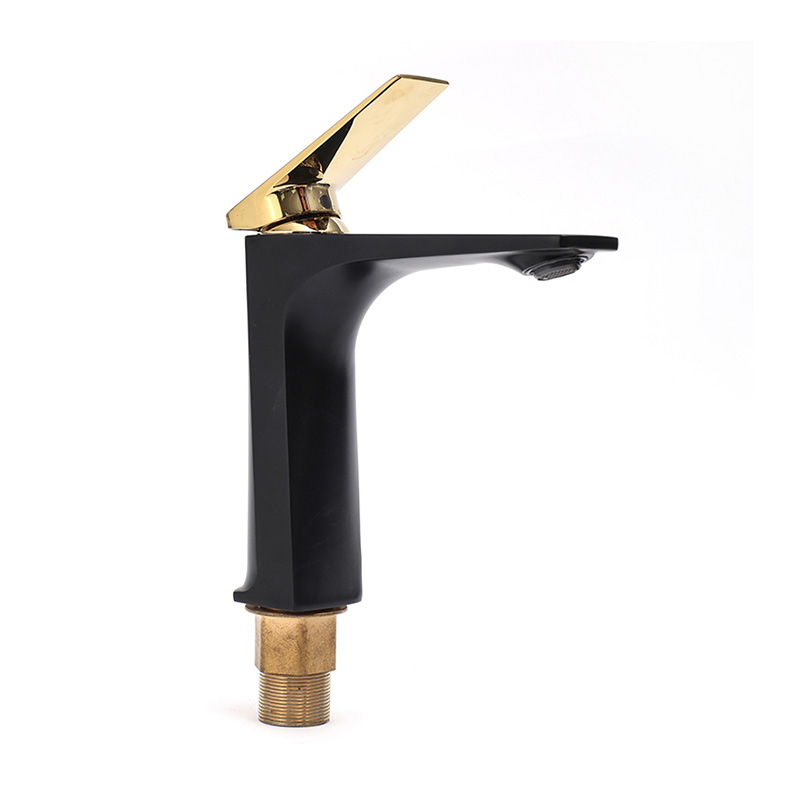
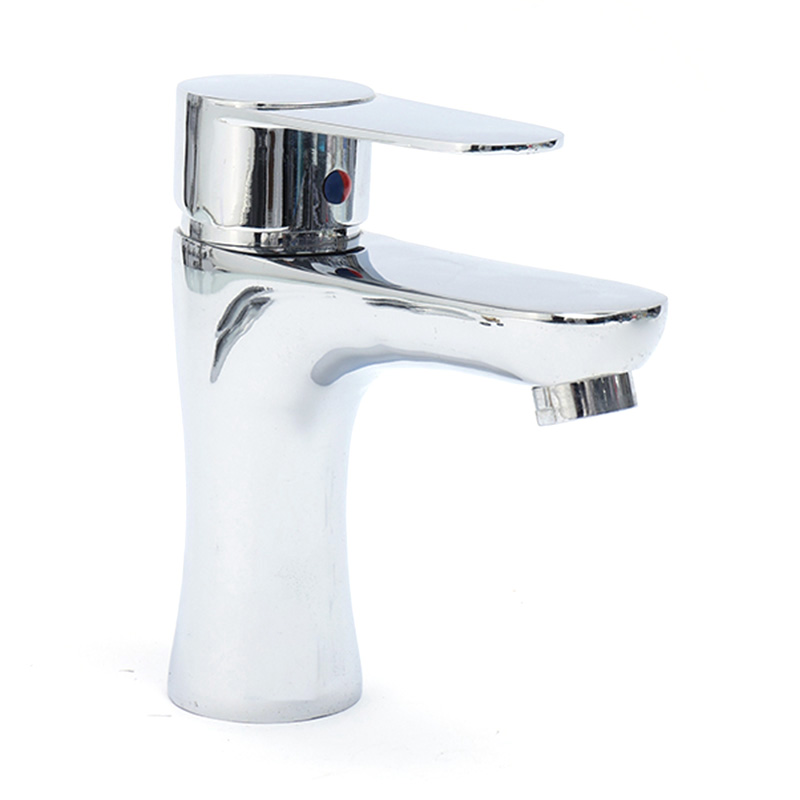
- Single-hole faucets: Designed for sinks with one hole. The handle and spout are combined in one unit. This style has a clean, modern appearance and takes up less space.
- Wall-mounted faucets: Instead of mounting on the sink deck, these come out of the wall above the sink. They save counter space and make the sink area easier to clean.
Can a Bathroom Faucet Fit Unusual Sinks?
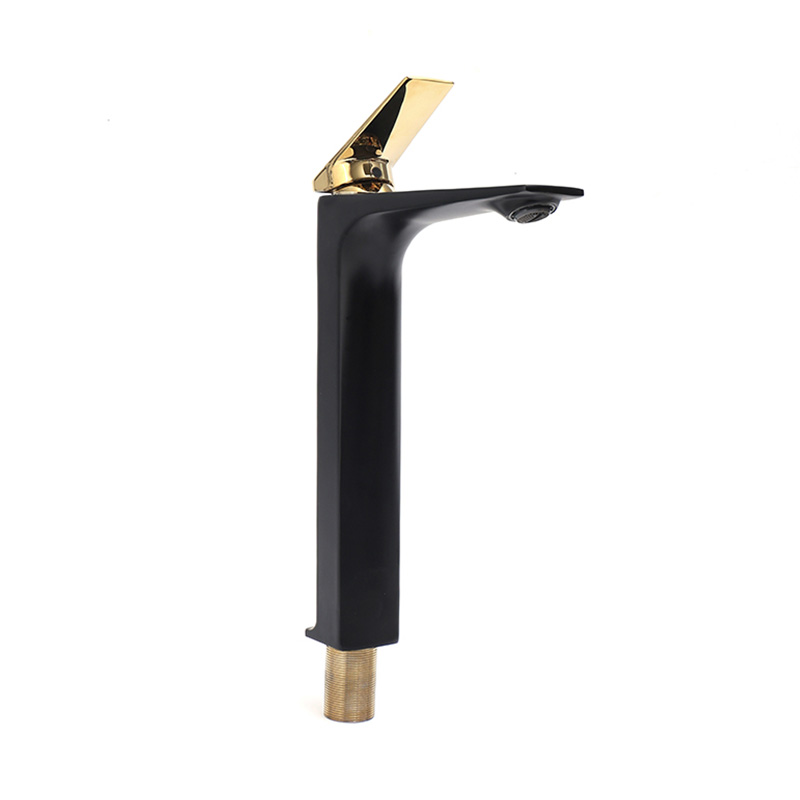
Yes, manufacturers offer solutions for different sink shapes. For a very small round basin, a mini-wide or small single-hole faucet with a short spout works well. For a vessel sink that sits above the counter, you need a high-arc bathroom faucet — often called a vessel faucet — that rises tall enough to clear the sink rim. Some bathroom faucets even have a gooseneck design for extra clearance.
Another option for tight spaces is a wall-mounted bathroom faucet. By removing the faucet from the countertop entirely, you gain more usable space around the sink. This is popular in powder rooms and modern minimalist bathrooms.
Finishes That Suit Different Tastes
Chrome is a long-time favorite because it shines brightly and resists corrosion. Brushed nickel has a warmer, muted tone that hides water spots well. Matte black offers a contemporary look. Oil-rubbed bronze gives a vintage feel. Stainless steel is durable and matches many appliances. Each finish has its own character, so you can choose one that fits your bathroom’s color scheme.