

 русский
A bathroom often gets judged on small details, and the faucet is usually one of the first things a visitor notices. It sits at eye level, catches light, and gets touched dozens of times a day. For manufacturers and distributors sourcing fixtures for hospitality projects, residential remodels, or retail shelves, the bathroom faucet is rarely an afterthought — it's a functional centerpiece that buyers weigh carefully before placing an order.
Function First, Then Style
Before finish or shape enters the conversation, a bathroom faucet has to do its basic job well: deliver consistent water flow, resist drips, and handle daily use without sticking or wobbling. Ceramic disc valves have become a common standard because they offer smooth handle operation and a longer working life than older rubber-washer designs. Buyers sourcing in bulk tend to ask about valve type early, since it affects both performance and how the product will hold up across a large batch of installations.
Flow rate matters too. A bathroom faucet that runs too forcefully can feel wasteful, while one that trickles frustrates users. Many manufacturers now offer aerators that mix air into the water stream, giving a fuller feel at a lower flow volume — a detail that resonates with hotel and multi-unit housing buyers who install hundreds of units at once.
Finishes Buyers Are Asking About
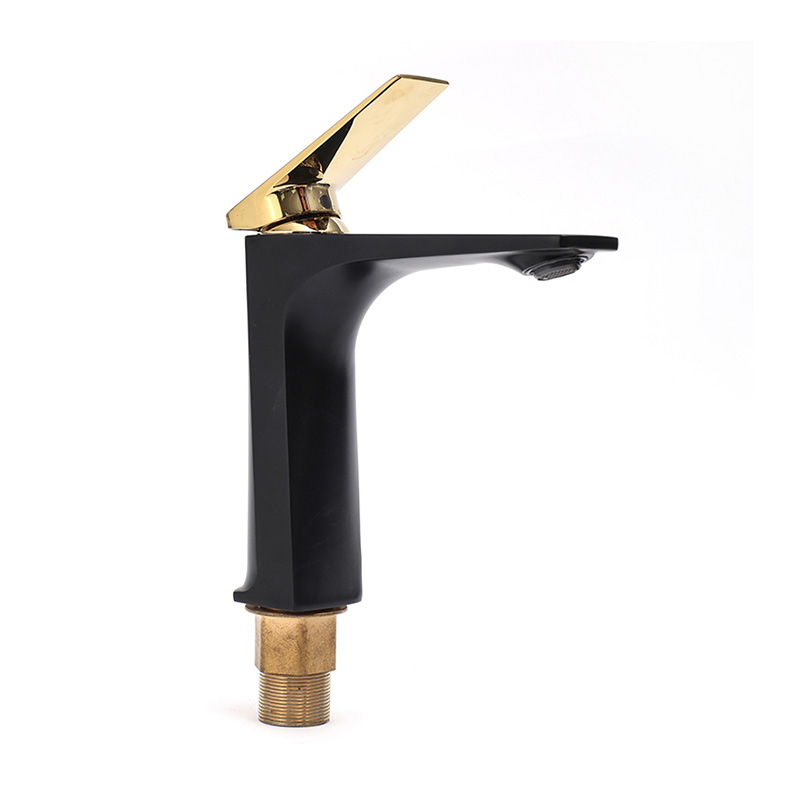
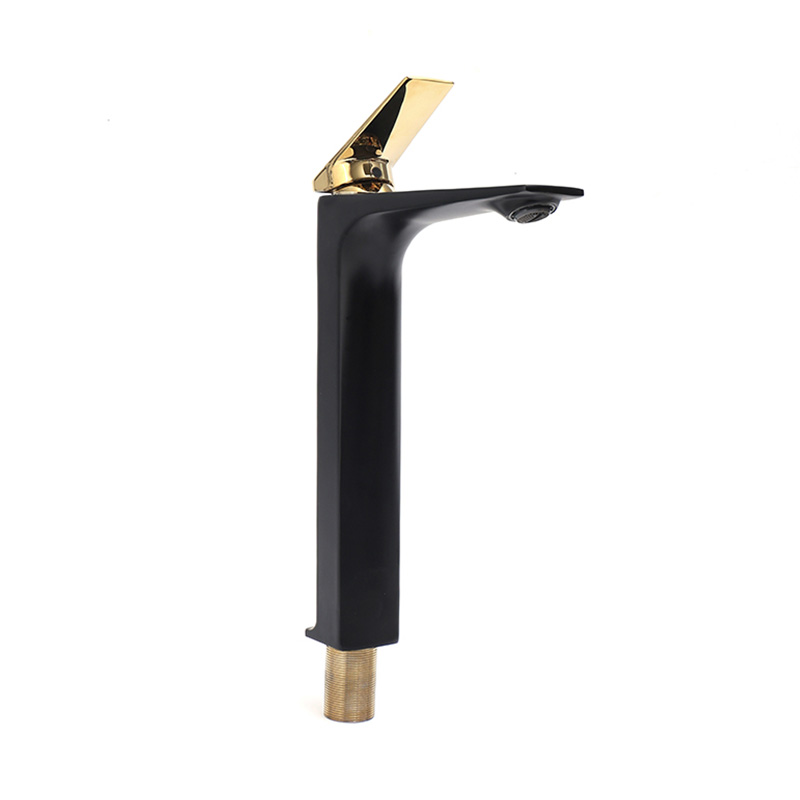
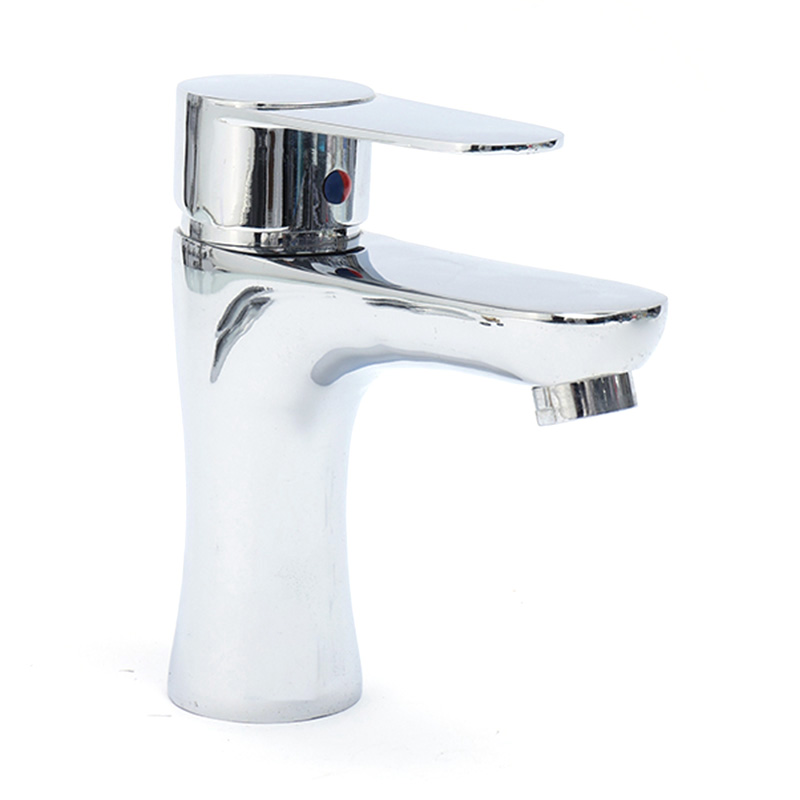
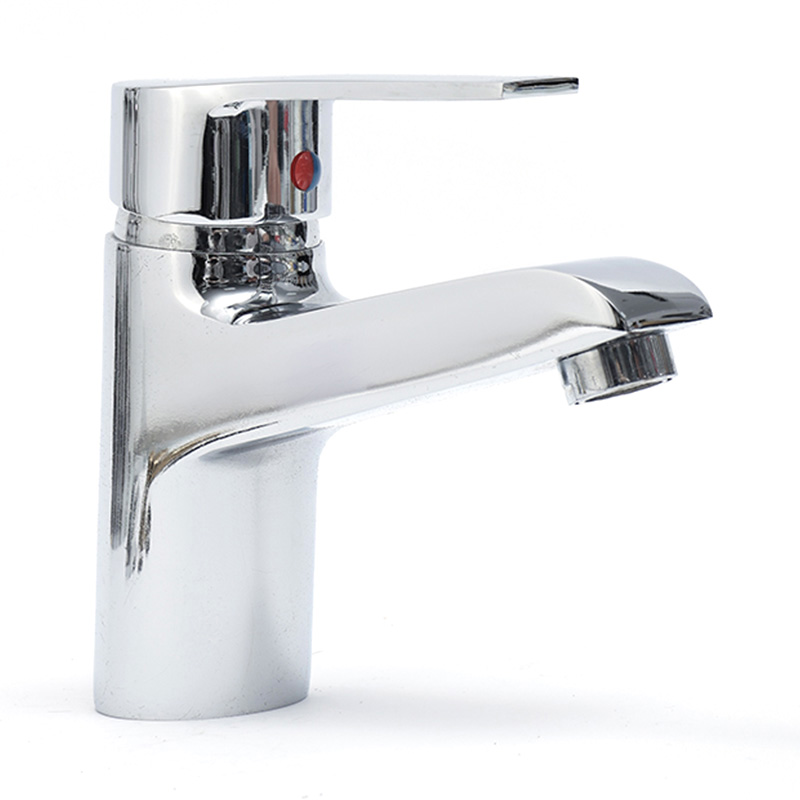
Chrome remains a familiar, widely requested finish because it pairs with almost any color scheme and shows fingerprints less than some matte options. But brushed nickel, matte black, and brushed gold have all gained traction in recent sourcing conversations, especially for projects aiming for a warmer or more industrial look. A bathroom faucet finish isn't just decorative — it needs to stand up to hard water spots, soap residue, and frequent wiping, so buyers often ask about coating thickness and application methods like PVD (physical vapor deposition), which tends to resist scratching better than standard plating.
Single-Handle vs. Widespread Layouts
Space and plumbing configuration often decide the shape of a bathroom faucet before style even enters the picture. Single-handle centerset models work well in compact bathrooms or where the sink has a single mounting hole, offering simple temperature control with one motion. Widespread faucets, with separate hot and cold handles spread across the sink deck, suit larger vanities and give a more traditional, tactile feel. Wall-mounted versions are gaining interest for projects with vessel sinks or minimalist countertops, since they free up deck space and make cleaning around the basin easier.
Sourcing Considerations for OEM Buyers
Buyers working with OEM or ODM partners often request custom packaging, private labeling, or minor spec adjustments like handle shape or spout reach. Communicating clear specifications early — valve type, flow rate, finish, and mounting style — helps avoid mismatched expectations later in production. Sample requests remain common practice, letting buyers physically test handle resistance and finish quality before committing to a larger order.
Matching the Faucet to the Project
Ultimately, the right bathroom faucet depends on the specific project: a boutique hotel bathroom has different priorities than a high-turnover public restroom or a budget-conscious residential renovation. Buyers who take time to define flow needs, finish durability, and handle configuration tend to end up with a product that fits both the space and the people using it every day.