

 русский
Kitchen Fixtures Are Getting More Functional
Kitchen design is no longer focused only on cabinets, countertops, and appliances. Water fixtures also influence how efficiently a kitchen can be used. The Sink Faucet has become an important part of this discussion because it connects water supply with everyday activities such as washing ingredients, filling containers, cleaning dishes, and preparing food.
For manufacturers, distributors, and project buyers, faucet selection involves several factors. Spout height, water outlet position, handle configuration, installation method, and overall dimensions can all affect how a fixture fits into a particular sink and countertop arrangement.
Different Designs Serve Different Kitchens
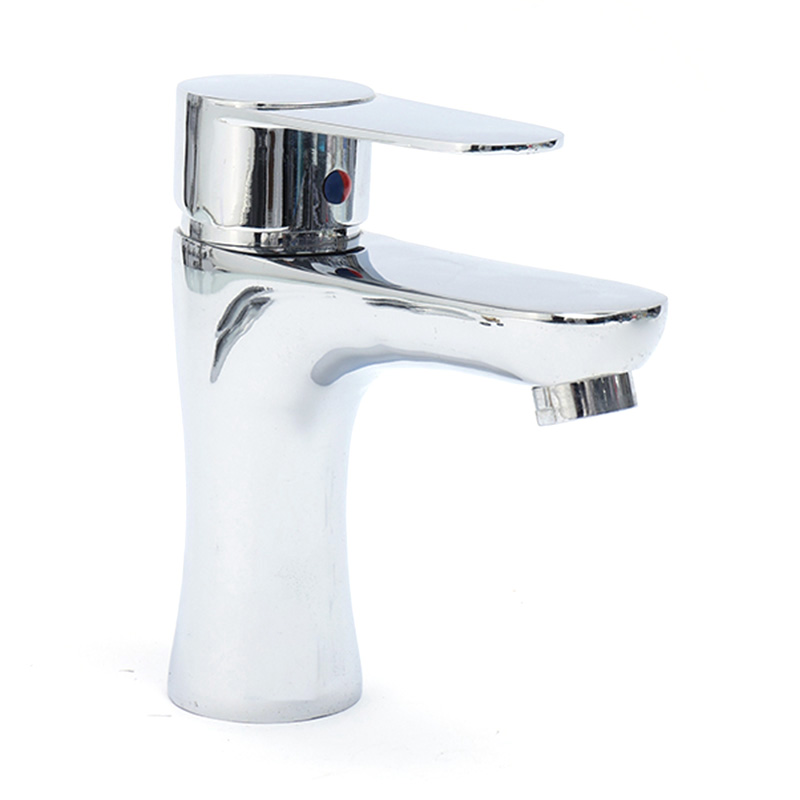
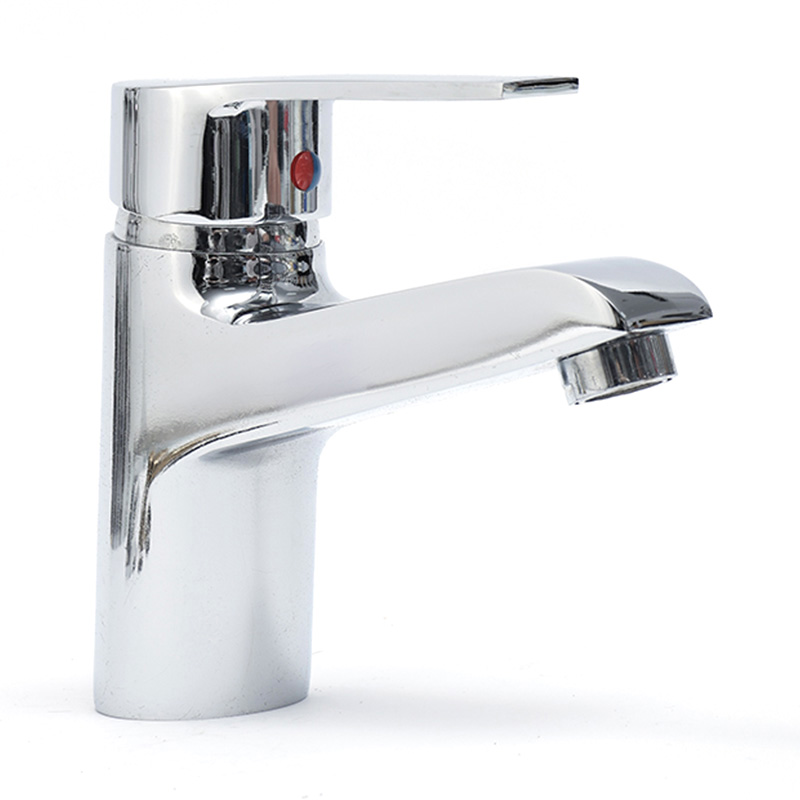
A Sink Faucet can be produced in several configurations to suit different installation requirements. Single-handle designs allow users to control water flow and temperature from one control point, while double-handle versions separate hot and cold water operation.
Pull-out and pull-down designs provide a movable spray head that can make it easier to direct water toward different areas of the sink. Fixed spouts offer a simpler structure and can suit kitchens where a straightforward water outlet is preferred.
The choice often depends on sink size, countertop layout, user habits, and the visual style of the surrounding space.
Spout Design Affects Usability
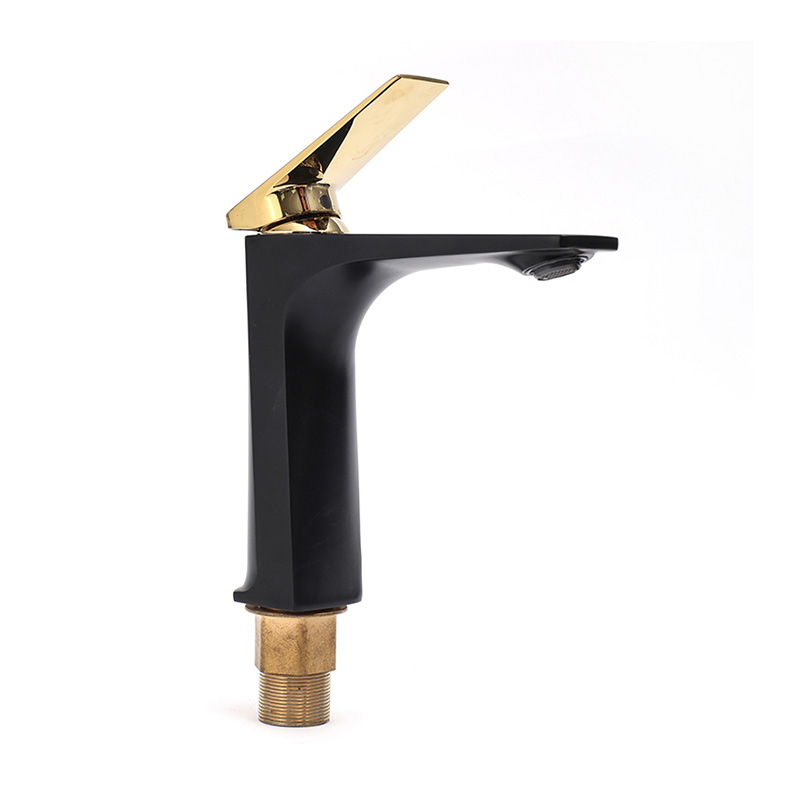
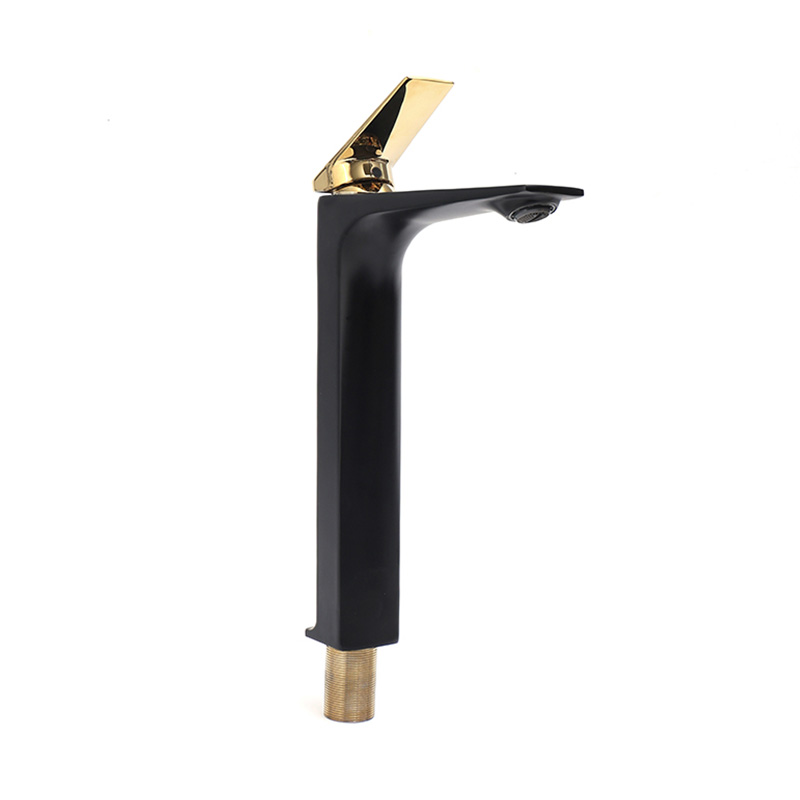
The spout is one of the most noticeable parts of a Sink Faucet, but its shape also has a practical role. A taller spout can create additional clearance for washing large cookware or filling deep containers.
Shorter spouts may work well in compact sink areas where vertical clearance is limited. Spout reach is another consideration because the outlet should deliver water toward a useful area of the basin rather than too close to the front or rear edge.
For commercial kitchen projects, buyers may also consider how frequently the faucet will be operated and how its dimensions fit the working space.
Installation Configuration Matters
Before selecting a Sink Faucet, buyers need to check the sink or countertop configuration. Common installation arrangements include single-hole and multi-hole mounting. The number and spacing of existing mounting holes can influence which faucet designs are suitable.
Countertop thickness and clearance beneath the mounting surface can also affect installation planning. For new kitchen projects, faucet specifications can be considered alongside the sink and countertop dimensions before the final layout is confirmed.
For distributors and project suppliers, offering different mounting configurations can make it easier to match products with varied kitchen layouts.
Materials and Surface Finishes Shape Appearance
Material selection influences both the physical structure and visual character of a Sink Faucet. Common options include stainless steel, brass, and other metal-based constructions. Different materials can be combined with surface finishes such as brushed, polished, matte, or colored coatings.
The finish often needs to coordinate with cabinet hardware, sinks, appliances, and other kitchen fixtures. As a result, appearance has become an important consideration alongside mechanical design.
Manufacturers may also develop different handle shapes, spout profiles, and body structures to serve distinct product segments.
Water Control Is Part of the Design
Modern Sink Faucet design places considerable attention on water control. Ceramic cartridge systems, aerators, flexible hoses, and spray functions can influence how users interact with the fixture.
An aerator can mix air into the water stream and create a softer outlet flow, while a spray head can provide different water patterns for specific kitchen tasks. These components give manufacturers additional ways to create product variations for different applications.