

 русский
Mounting Method on the Deck Surface
The base of a deck mounted faucet sits on the finished counter or sink deck and anchors from below with threaded shanks, nuts, and washers. Supply lines connect to the hot and cold inlets under the counter, keeping all plumbing connections hidden from view. This approach works with both single-hole and multi-hole configurations, depending on whether the design uses a single lever or separate handles.
Installers align the fixture with the sink bowl so the water stream falls inside the basin under normal use. Stable mounting prevents movement during operation and keeps the unit level with the surrounding surface. Clear templates help locate the holes accurately during counter fabrication or sink preparation.
Spout Styles and Reach Options
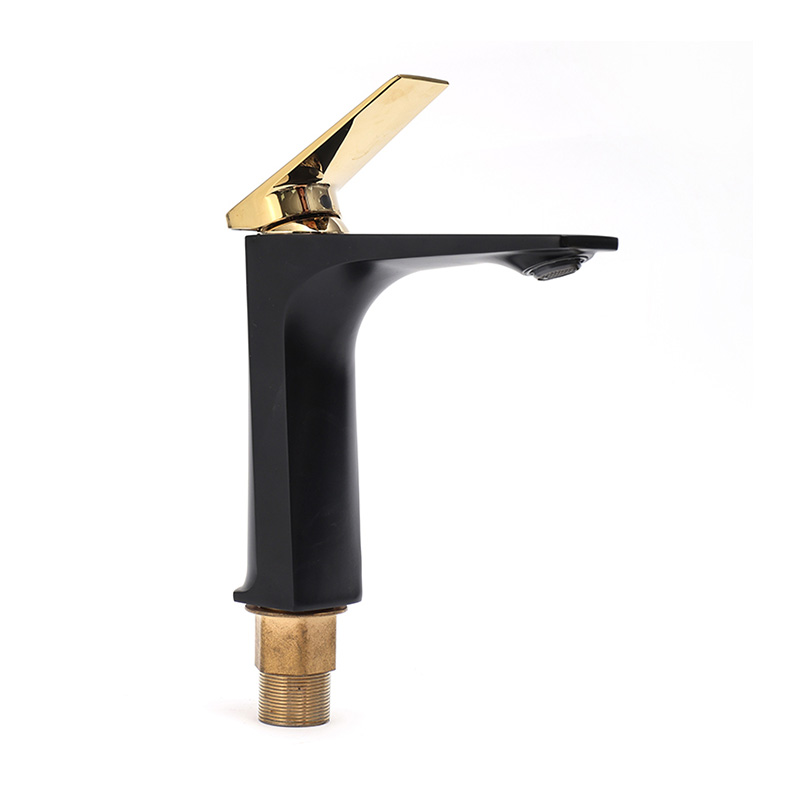
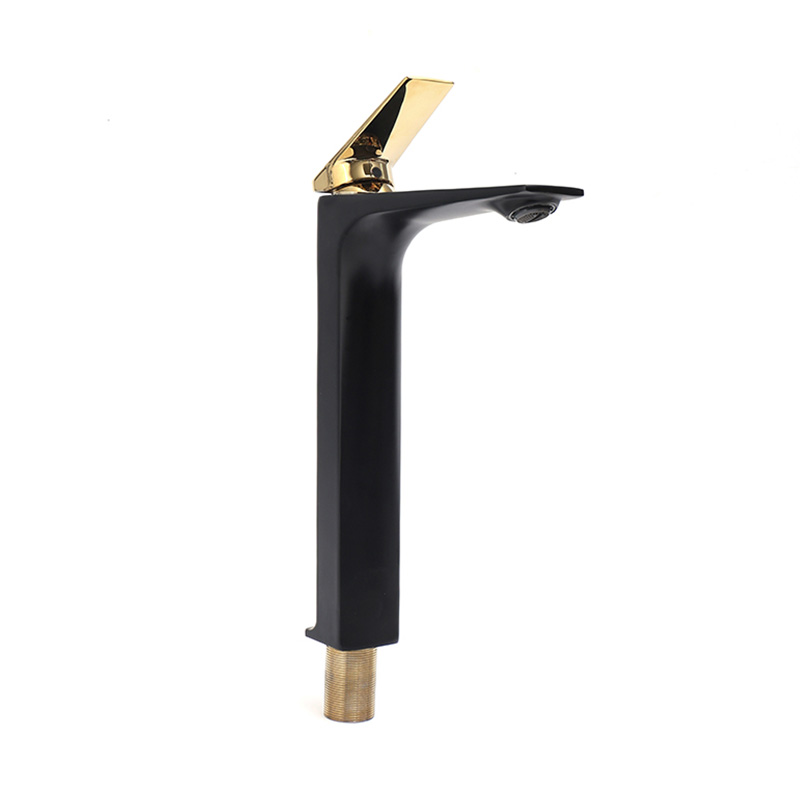
Spouts on a deck mounted faucet appear in high-arc, low-arc, and pull-down or pull-out variations. High-arc versions provide clearance for filling tall pots or washing larger items, while lower profiles suit compact basins or spaces with limited overhead clearance. Reach measurements indicate how far the stream lands from the base, allowing the water to hit the center of the bowl rather than the rim.
Some spouts swivel to cover double-bowl sinks or to move aside when full access to the sink is needed. The internal waterway diameter influences flow volume, and an aerator at the tip shapes the stream for reduced splash. Matching spout reach to the sink dimensions remains a practical step when reviewing a deck mounted faucet for a specific layout.
Handle Configurations and Valve Operation
Single-handle models mix temperature and volume with one lever, while two-handle versions separate hot and cold controls. Ceramic cartridge valves open and close with smooth travel and maintain a seal across repeated cycles. Lever shapes and handle lengths affect how comfortably users can adjust the flow, especially when hands are wet or when precise temperature control is required.
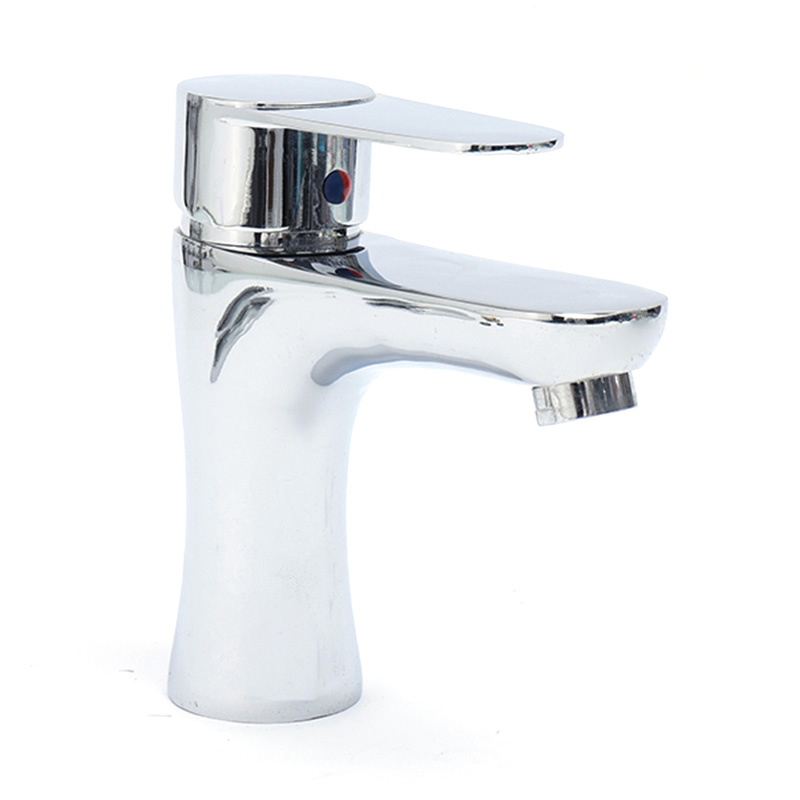
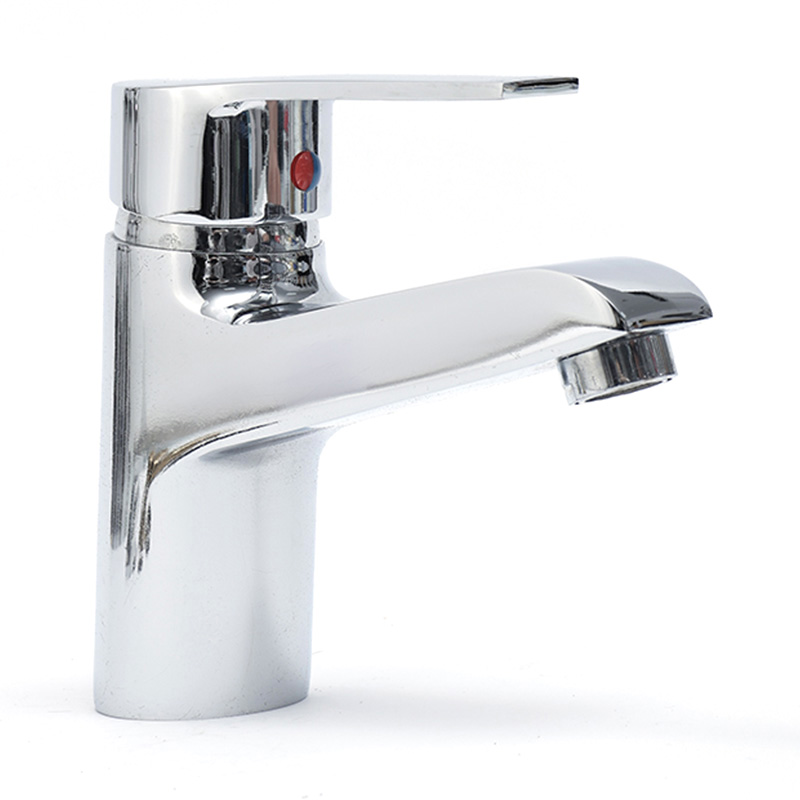
Indicator markings for hot and cold follow common conventions so users can identify the correct side quickly. The operating torque stays moderate, giving positive feedback without requiring excessive force. These details influence daily usability of the deck mounted faucet in both home kitchens and higher-traffic commercial settings.
Material Choices for Body and Finish
Brass remains a frequent choice for the main body of a deck mounted faucet because it machines cleanly and resists internal corrosion when paired with suitable water conditions. Stainless steel appears in some designs for its strength and uniform appearance. Exterior finishes include polished chrome, brushed nickel, matte black, and other coatings applied to coordinate with cabinetry hardware and nearby fixtures.
The finish must withstand regular contact with water, cleaning agents, and hand traffic. Solid construction in the spout and handle assemblies helps the deck mounted faucet retain its alignment and surface appearance after installation. Buyers often request finish samples to verify color match under the lighting conditions planned for the space.
Compatibility with Sink and Counter Layouts
A deck mounted faucet requires specific hole patterns in the sink or countertop. Single-hole units need one opening, while widespread models use three holes spaced at standard centers. The thickness of the mounting surface also matters; most units accommodate common counter materials within a defined range.
When the sink is undermounted, the faucet mounts to the counter deck itself. For drop-in sinks the fixture may attach to the sink ledge. Confirming these interface points early prevents conflicts during fabrication and installation. Dimensional drawings that show shank lengths and base footprints assist project teams in coordinating the work around the deck mounted faucet.