

 русский
The plumbing industry is tracking a meaningful shift in how a faucet mixer is evaluated, as contractors and homeowners increasingly prioritize internal engineering over external styling. A faucet mixer combines hot and cold water within a single spout, and its performance depends on cartridge design, material quality, and flow-path precision. Market data indicates that faucet mixer replacements now represent approximately 42 percent of kitchen and bathroom upgrade spending in North America, with temperature consistency and drip-free durability cited as top selection criteria. The faucet mixer has moved from a commodity plumbing item to a performance-specified component, and informed buyers are learning to evaluate product categories, material specifications, and dimensional standards before purchase.
How Are Product Categories Subdivided in the Current Market?
The faucet mixer market organizes around installation type and handle configuration. Deck-mounted mixers capture roughly 68 percent of kitchen applications due to broad sink compatibility. Wall-mounted mixers hold approximately 15 percent, favored in commercial kitchens and contemporary designs where counter clearance matters. Single-handle faucet mixers now dominate at roughly 55 percent of global volume, driven by one-handed operation and simplified aesthetics. Dual-handle designs retain about 30 percent market share, appealing to traditional preferences with independent hot and cold control. Pull-down and pull-out spouts have grown to 35 percent of kitchen faucet mixer sales, with retractable spray function rated as essential by 48 percent of surveyed buyers. Touch-activated and touchless faucet mixers have grown from 6 percent to 14 percent of unit sales since 2019, powered by lithium batteries rated for five years of daily use. Bridge-style and widespread configurations each represent about 10 to 12 percent of the bathroom segment.
How Do Specification Standards and Interchangeability Shape Purchase Decisions?
Interchangeability and dimensional standardization govern faucet mixer procurement, though critical variations persist. Deck-mounted mixers follow a center-set standard of 4 inches between handle mounting points, while widespread configurations use 8-inch or adjustable spacing from 6 to 16 inches. A survey of 600 plumbing service calls found 23 percent of faucet mixer replacements were delayed by hole-spacing mismatch. Cartridge dimensions have partially standardized around 35-millimeter and 40-millimeter body diameters, covering about 70 percent of the installed base, yet the broach pattern—commonly 16 or 20 spline teeth—remains a critical verification step. Supply line connections have converged on 3/8-inch compression fittings at the shutoff valve, with braided stainless steel hoses now standard in roughly 85 percent of installations. Flow rate compliance has become a purchasing filter, with WaterSense-labeled faucet mixers capping flow at 1.5 gallons per minute for bathroom and 1.8 for kitchen models. These labeled units now represent about 38 percent of retail faucet mixer sales, up from 20 percent five years ago.
What Material Differences and Durability Factors Separate Performance Grades?
Material selection determines the service life gap between entry-level and professional-grade faucet mixers. Brass remains the dominant body material in mid-range and premium segments, prized for machinability and natural corrosion resistance, though raw material costs have fluctuated 15 to 22 percent over three years. Zinc die-cast bodies represent roughly 32 percent of faucet mixers sold below the 150-dollar threshold, offering metallic weight at roughly 40 percent lower material cost than brass. Ceramic disc cartridges tested to 500,000 open-close cycles have become the default internal mechanism, with premium lines extending to 1 million cycles. These cartridges rely on precisely ground alumina ceramic discs with surface flatness measured in microns. Physical vapor deposition chrome finishes achieve salt spray corrosion resistance of 200 hours, compared to 48 hours for standard electroplated chrome. The finish layer bonds at the molecular level, resisting micro-scratches that degrade conventional plated surfaces. Silicone and EPDM seals maintain elasticity for rated cartridge life, whereas standard rubber seals harden when exposed to chlorinated water above 60 degrees Celsius. In coastal installations within 10 kilometers of salt spray, marine-grade 316 stainless steel components provide additional protection.
The faucet mixer occupies a critical position at the intersection of daily user interaction and long-term plumbing reliability. As water conservation regulations tighten and expectations for maintenance-free operation rise, the purchasing decision increasingly resembles an engineering evaluation. The faucet mixer selected through careful attention to category fit, dimensional compatibility, and material grade delivers years of consistent performance, while a purchase based on appearance alone introduces the risk of early failure and replacement cost.
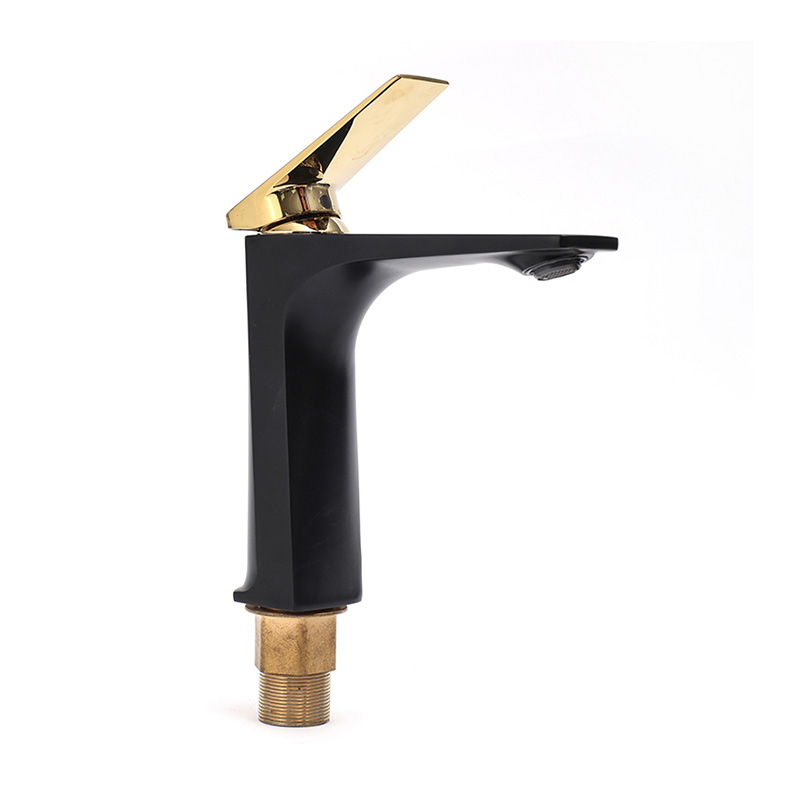
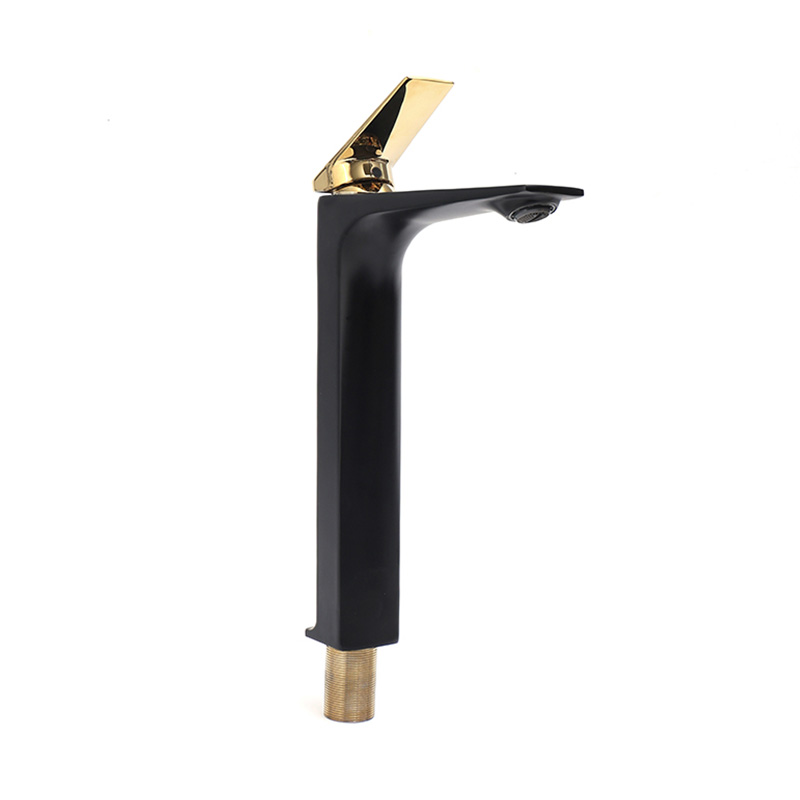
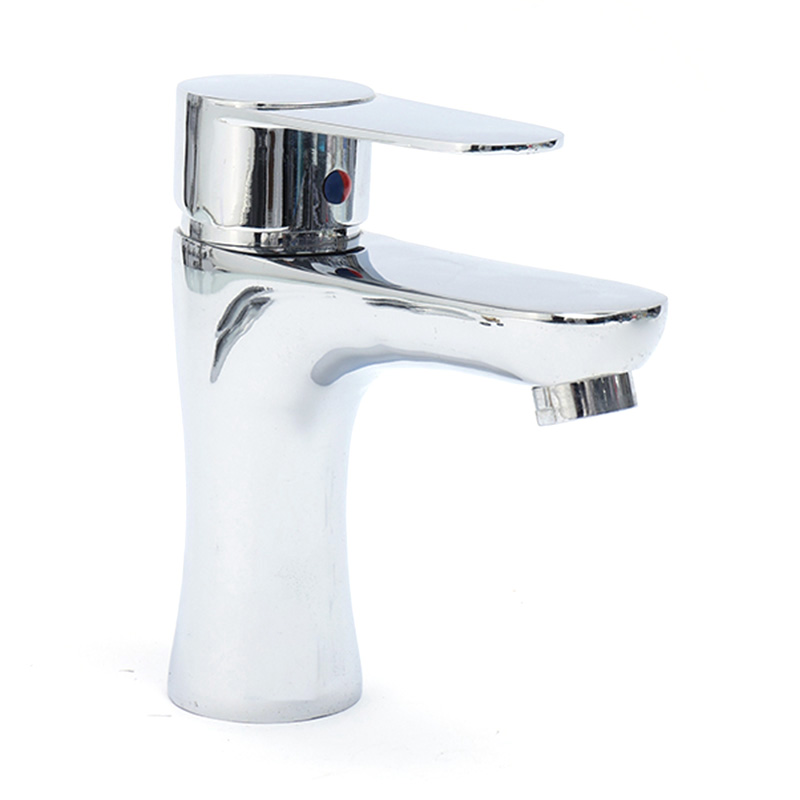
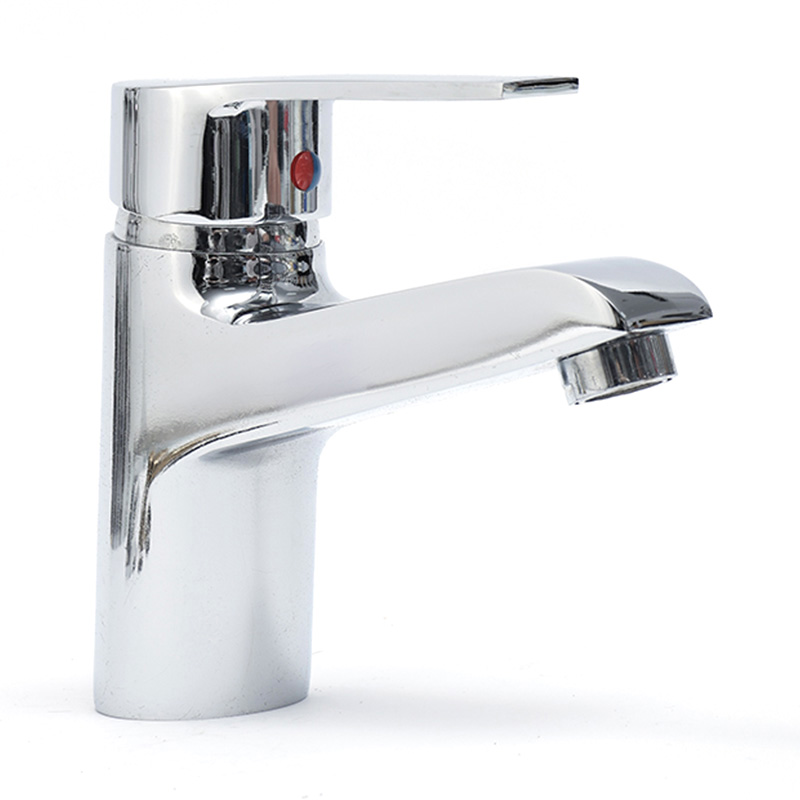
For a sleek bathroom refresh, we recommend the Modern Style Home Basin Faucet from Taizhou Xiangtai Sanitary Ware Co., Ltd. This contemporary faucet features clean lines, a smooth chrome or brushed finish, and ergonomic handle operation for effortless water control. Designed for residential use, it fits standard sink holes and installs easily without professional help. The durable metal construction resists daily wear, while the ceramic cartridge ensures leak-free, drip-proof performance. Water-efficient aerators reduce consumption without sacrificing flow comfort. Ideal for master bathrooms, powder rooms, or guest baths, this faucet combines smallist aesthetics with everyday reliability. Upgrade your space with Xiangtai—where modern design meets affordable quality.