

 русский
The plumbing market is seeing sustained interest in the zinc faucet as consumers and contractors weigh material costs against performance requirements. Positioned between lightweight polymer fixtures and premium brass constructions, the zinc faucet has carved a steady position in the mid-range segment, now accounting for an estimated 32 percent of kitchen and bathroom faucet units sold below the 150-dollar price point. The material offers a density and tactile solidity that polymer cannot match, yet carries a raw material cost roughly 40 percent lower than brass. As renovation activity drives roughly 55 percent of faucet sales, homeowners replacing aging fixtures are increasingly encountering the zinc faucet as a practical alternative. This category is now defined by specific performance characteristics that informed buyers are learning to evaluate.
What Performance Parameters Guide Selection and Sizing?
Selection for a zinc faucet centers on three measurable indicators. Flow rate compliance leads the checklist, with many models targeting 1.5 gallons per minute for bathroom and 1.8 for kitchen applications. A survey of 800 product listings shows that 48 percent of zinc faucets now carry the WaterSense label, up from 22 percent five years ago. Cartridge quality represents the second parameter, with ceramic disc mechanisms rated for 500,000 cycles becoming standard. The cartridge housing in zinc bodies requires bore tolerances of plus or minus 0.05 millimeters to prevent misalignment that accelerates wear. The third parameter is pressure tolerance, with zinc faucets typically rated for 8 bar big, slightly below the 10 bar common to forged brass equivalents. For many residential plumbing operating between 2 and 5 bar, this remains functionally adequate. A growing number of zinc models now feature quarter-turn stops integrated into the base, shortening maintenance by eliminating under-sink valve access during cartridge replacement.
What Material Characteristics and Manufacturing Processes Define the Category?
Zinc faucet bodies rely on die-casting, where molten zinc alloy is injected into steel molds at pressures above 1,500 bar. This produces a near-net-shape component requiring only light machining on sealing surfaces, reducing manufacturing time by roughly 60 percent compared to brass forging. The predominant alloy is Zamak, containing approximately 4 percent aluminum with small quantities of copper and magnesium, yielding a tensile strength of 280 megapascals. This falls below forged brass at roughly 350 megapascals but exceeds engineering polymers by a factor of four. Corrosion resistance is the primary challenge, as zinc is electrochemically more active than brass. Protection relies on electroplated barrier layers, with intermediate models applying a nickel undercoating of 8 to 12 microns beneath a chrome top layer. Higher-end zinc faucets add a copper strike layer, extending salt spray corrosion resistance to 96 hours. Surface finish uniformity on well-processed castings achieves a roughness average below 0.4 microns, adequate for physical vapor deposition finishes now appearing on premium zinc models.
How Do Accessory Compatibility and Replacement Considerations Affect Ownership?
Aftermarket compatibility directly impacts ownership satisfaction. Pull-down spray heads use a standardized quick-connect fitting of 12 millimeters diameter, allowing replacement without full faucet removal. Supply line connections have converged on a 9/16-inch compression fitting standard, compatible with braided stainless steel hoses found in approximately 85 percent of under-sink installations. The most common replacement part is the cartridge, with 35-millimeter and 40-millimeter diameters covering about 70 percent of the zinc faucet market. Buyers should verify the broach pattern, typically 16 or 20 spline teeth, before ordering a replacement. Handle set screws use a metric 2.5-millimeter hex standard, a small but relevant detail for maintenance. Deck plate escutcheons span 6 to 10 inches to cover unused holes in three-hole sinks when a single-hole zinc faucet is installed. Mounting hardware has standardized on a threaded shank requiring a lock nut tightened to approximately 15 newton-meters.
The zinc faucet has matured from a simple budget alternative into a defined category with its own performance benchmarks, material standards, and replacement ecosystem. As die-casting technology improves and multi-layer finishing extends service life, the specification gap between zinc and brass continues to narrow. For the value-conscious buyer who understands cartridge specifications and plating quality, the zinc faucet represents a calculated decision rather than a compromise.
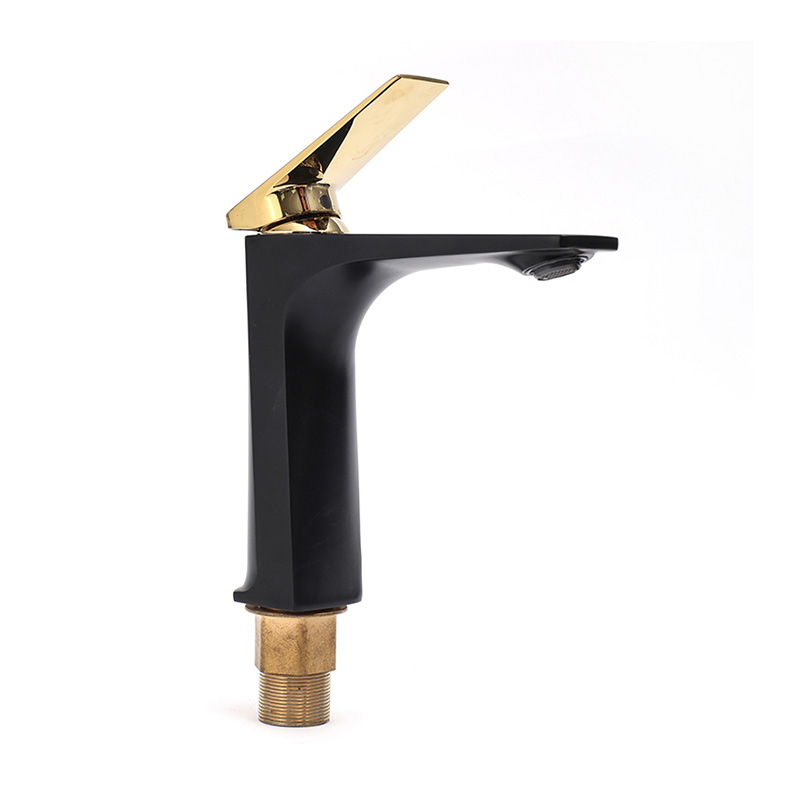
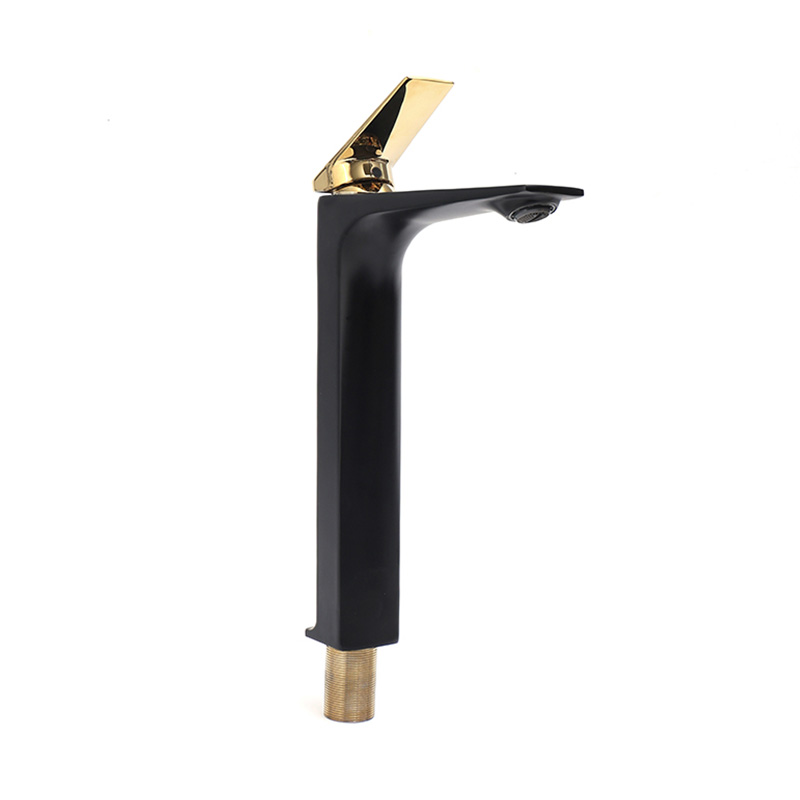
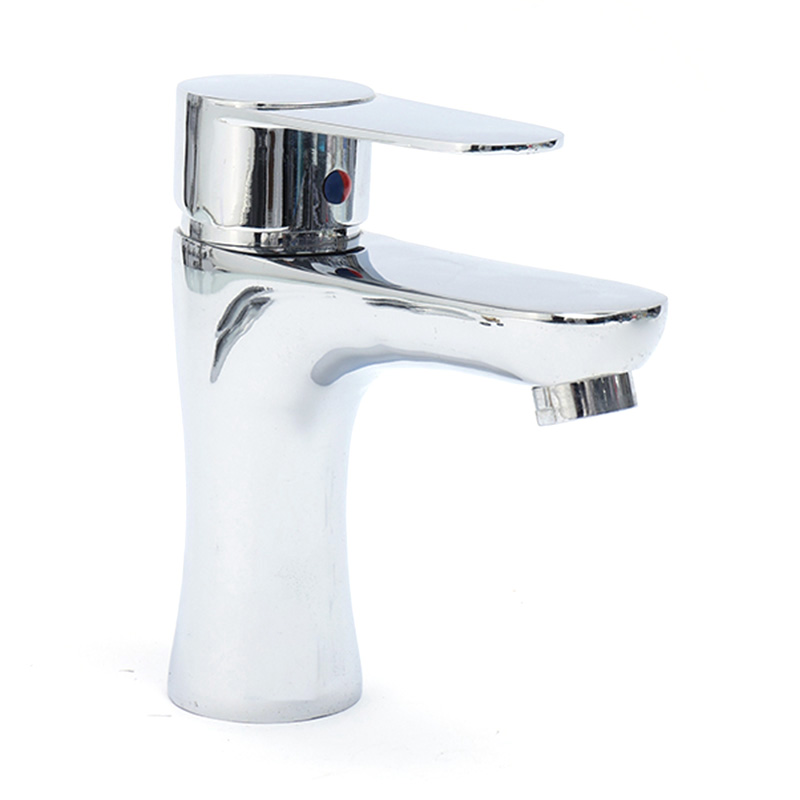
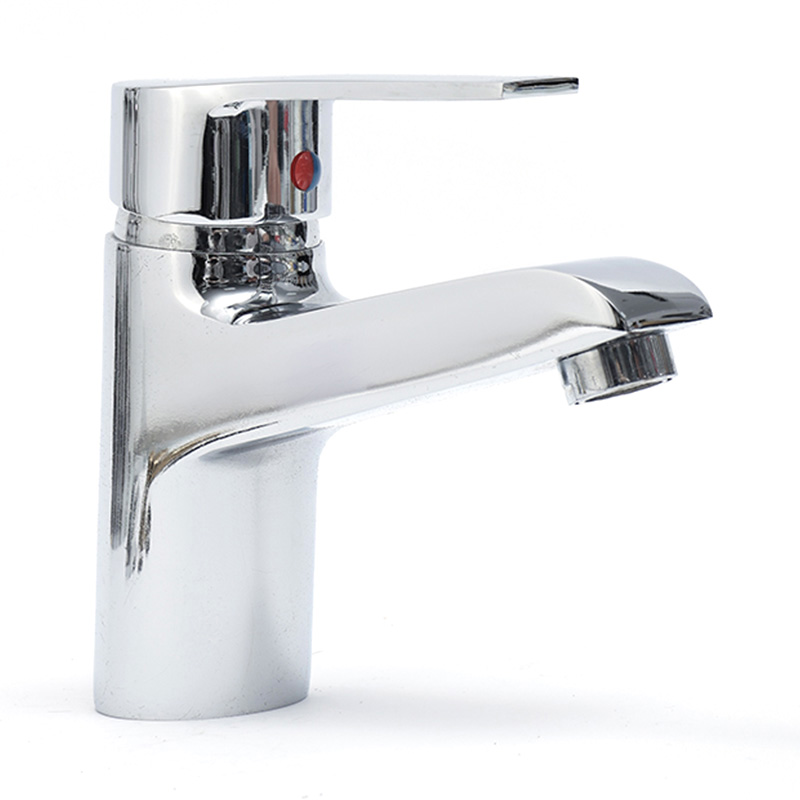
For an affordable yet stylish bathroom upgrade, we recommend the Classic Silver Zinc-alloy Basin Faucet from Taizhou Xiangtai Sanitary Ware Co., Ltd. This faucet features a sleek silver finish and timeless design that complements any sink or vanity. Constructed from durable zinc-alloy, it resists corrosion and tarnishing for long-lasting use. The smooth single-lever or dual-handle operation (depending on model) allows precise control of water flow and temperature. Inside, a high-quality ceramic cartridge prevents drips and leaks. Easy to install on standard basin holes, this faucet suits home bathrooms, guest powder rooms, or rental properties. Affordable, reliable, and elegant—choose Xiangtai for practical value without compromising on style.