

 русский
The plumbing fixtures sector is tracking a decisive shift in how the sink faucet is specified and sold. Once evaluated primarily on finish and handle style, the sink faucet is now purchased through a technical lens weighing flow rates, cartridge durability, and certification compliance. WaterSense-labeled models, capping flow at 1.5 gallons per minute for bathroom and 1.8 for kitchen applications, now represent an estimated 38 percent of units sold through North American retail channels. The average household operates a sink faucet roughly 18 times daily, with kitchen and bathroom sinks together accounting for about 19 percent of indoor residential water use. This regulatory and behavioral shift is redefining the sink faucet from a style-driven commodity into a performance-specified building component.
What Performance Parameters Define the Modern Sink Faucet?
Flow rate and cartridge life have emerged as the primary benchmarks. The federal big of 2.2 gallons per minute is increasingly treated as a ceiling, with 62 percent of models in a recent survey of 1,200 product listings advertising flow at or below 1.5 gallons per minute. Ceramic disc cartridges tested to 500,000 open-close cycles have become the default mechanism, with premium lines extending to 1 million cycles. These cartridges maintain drip-free performance at line pressures from 0.5 to 10 bar, accommodating variations between rural well systems and high-rise plumbing. Physical vapor deposition chrome finishes achieve salt spray corrosion resistance of 200 hours, compared to 48 hours for standard electroplated chrome. Pull-down spray functions on kitchen models are now expected to withstand 50,000 extension-retraction cycles without spring fatigue or hose abrasion, distinguishing commercial-grade construction from light-duty alternatives. Acoustic standards in several markets cap noise output at 30 decibels at 3 bar pressure.
How Are Installation and Maintenance Practices Evolving?
Installation has been simplified by tool-less connection technologies. Quick-connect supply line fittings have reduced average under-sink installation time to 22 minutes according to a survey of 300 professional plumbers, compared to 45 minutes for traditional compression nut connections. A study of service call data from 5,000 households shows mineral scale buildup on aerator screens accounts for 28 percent of reported reduced-flow complaints. Silicone-nozzle aerators that shed scale through fingertip wiping have cut these service calls by an estimated 40 percent in treated water areas. Cartridge replacement has been simplified by modular extraction tools now included with 70 percent of mid-range and premium models. Housing authority guidelines recommend aerator cleaning every six months and cartridge inspection at the five-year mark, aligning preventive care with typical warranty periods.
What Market Trends Are Reshaping the Category?
Material costs, touchless adoption, and distribution shifts are reshaping the market. Brass has seen price volatility of 15 to 22 percent over three years, driving increased use of engineered polymer bodies in the economy segment, where they now represent roughly 27 percent of units sold below the 100-dollar threshold. Touchless and touch-on faucets have grown from 6 percent to 14 percent of kitchen sink faucet sales since 2019, powered by lithium batteries rated for 5 years of daily use. E-commerce platforms now capture approximately 35 percent of sales by unit volume, a gain of roughly 18 percentage points over five years. The renovation segment drives 55 percent of sales, outpacing new construction and elevating the importance of retrofit-friendly designs that fit existing sink configurations without countertop modification.
The sink faucet has completed a quiet shift from a utilitarian water delivery point to a data-sheet-driven appliance. As water utilities in stressed regions introduce fixture rebates, and maintenance simplicity joins finish durability on the consumer checklist, the purchasing decision increasingly resembles an engineering evaluation. The sink faucet now sits at the intersection of resource policy, materials science, and user-centered design.
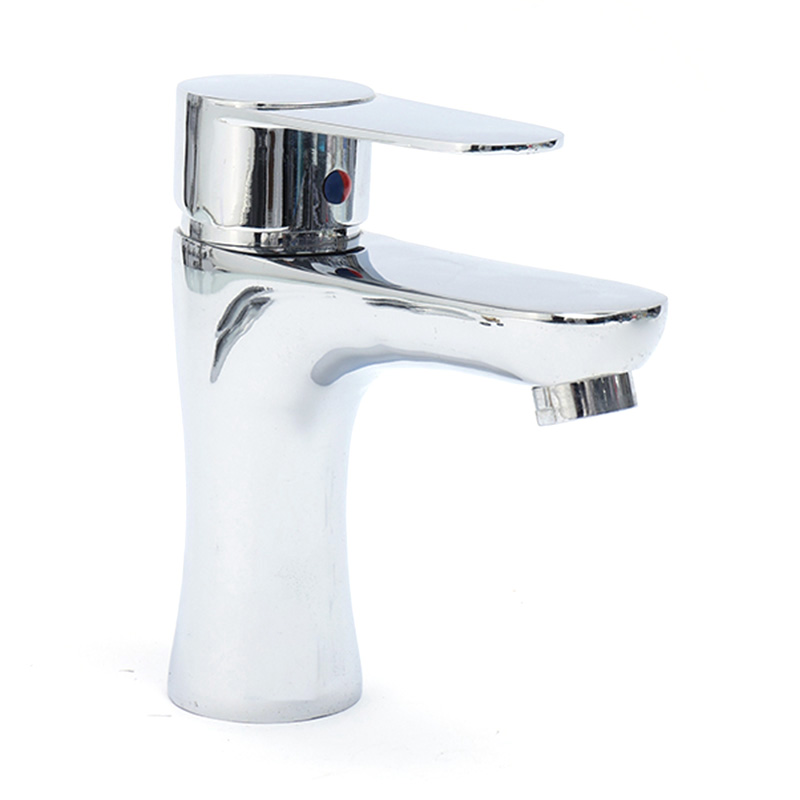
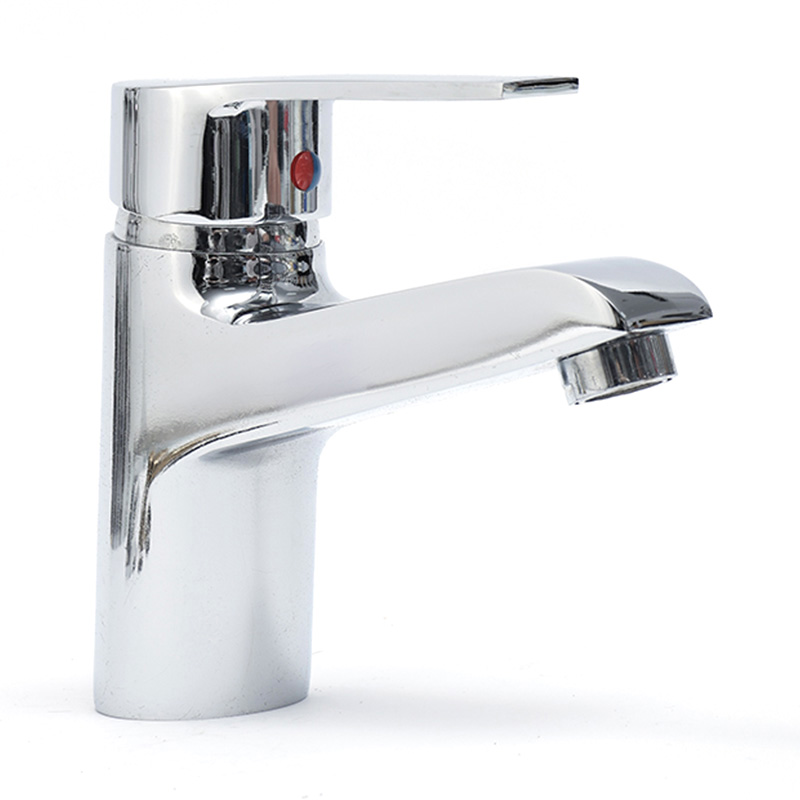
For a clean and timeless bathroom upgrade, we recommend the Classic Simple Basin Faucet with Silver Handle from Taizhou Xiangtai Sanitary Ware Co., Ltd. This faucet combines smallist design with reliable functionality. The sleek silver handle offers smooth, drip-free operation, while the polished finish resists tarnishing and corrosion. Easy to install on standard basins, it suits both residential and commercial settings—from guest bathrooms to hotel powder rooms. The ceramic cartridge ensures long-lasting leak protection, and the water-efficient flow helps reduce consumption without compromising performance. Affordable yet durable, this classic faucet delivers everyday convenience with understated elegance. Choose Xiangtai for quality and style.